Buying a Historic Swinton Home in Delray Beach
July 16, 2026
July 16, 2026
If you love the charm of an older Delray Beach home, buying on or near Swinton can feel like finding something truly special. But with historic property, character and complexity often come together. If you are considering a historic Swinton home, it helps to understand what is protected, what may need approval, and how to approach inspections before you commit. Let’s dive in.
In Delray Beach, “historic Swinton” usually refers to properties connected to the city’s historic core, especially the Old School Square Historic District. This district is listed on the National Register of Historic Places, and it includes a preservation framework that can affect future exterior work.
For buyers, that means a home is not simply old or architecturally charming. It may sit within a documented historic area with specific review standards, a defined period of significance, and formal rules for changes to the property.
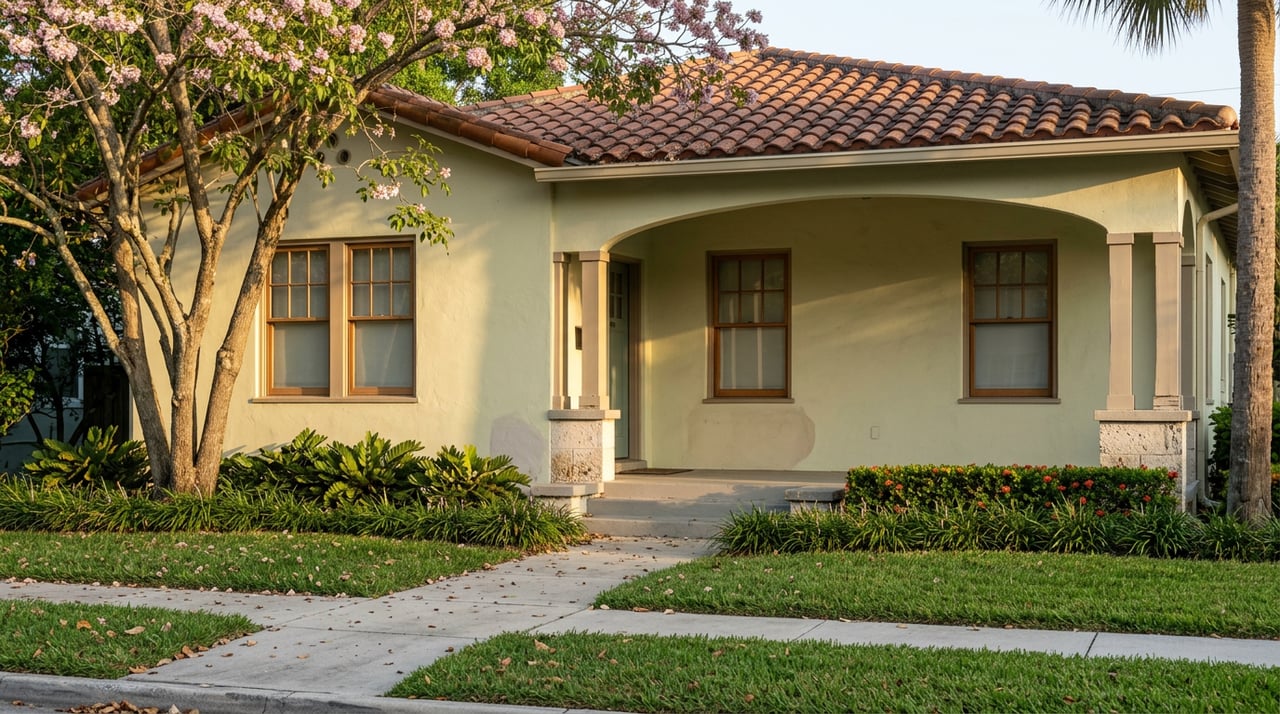
The city’s historic inventory in this area includes styles dating from roughly 1902 to 1945. You may see Frame and Masonry Vernacular homes, Bungalows, Mission-style influences, and Mediterranean Revival details throughout the corridor.
You should also know that not every property on Swinton is regulated the same way. Some homes are within a historic district, some may be individually designated, and some notable historic resources sit outside the district context. That is why parcel-by-parcel verification is so important.
Historic Swinton homes often have details that are difficult to replicate in newer construction. Depending on the property, you may find wood or masonry construction, front porches, gable or hip roofs, stucco or frame exteriors, and original sash windows.
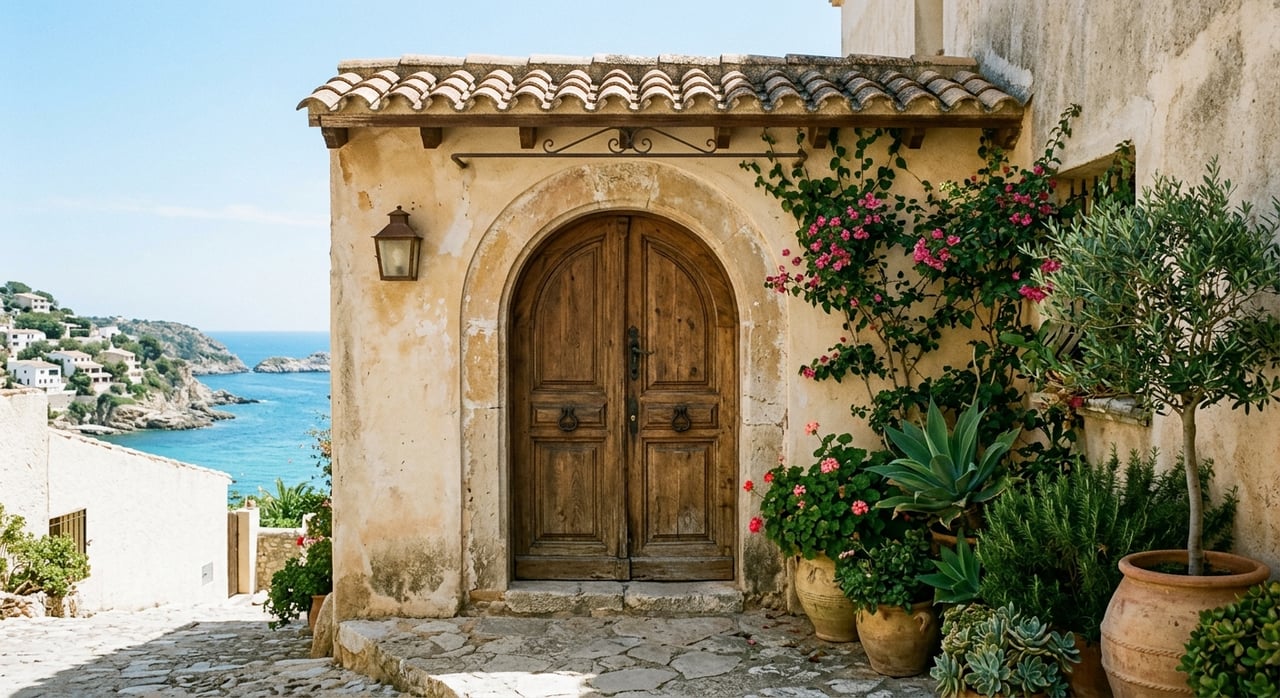
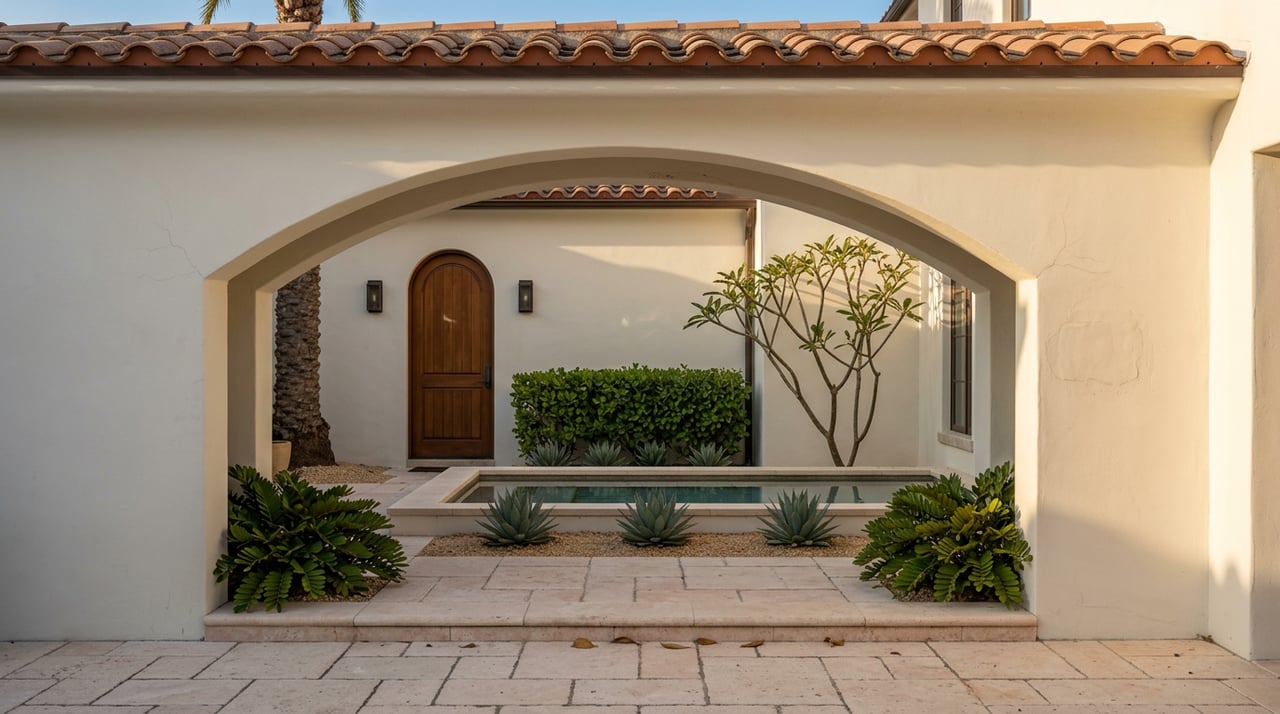
In some homes, Mediterranean details add another layer of character. These can include arches, barrel tile roofing, and decorative ironwork that shape the home’s street presence and architectural identity.
From a buyer’s point of view, these features are more than visual charm. Many of them are considered character-defining elements, which can influence how repairs, renovations, or additions are reviewed by the city.
Before you think about paint colors, additions, or window replacements, confirm the property’s exact historic status. In Delray Beach, that means checking whether the parcel is inside a designated historic district, individually listed on the Local Register, or both.
This step can affect your renovation plans, your timeline, and your budget. It can also help you avoid making assumptions based on a home’s age or appearance alone.
The city’s Historic GIS Map and Local Register and National Register maps are important tools during due diligence. The city notes that the Historic GIS includes scanned records such as designation reports, historic resource surveys, Florida Master Site File forms, and Historic Preservation Board records.
One of the biggest things buyers should understand is that exterior work on designated historic properties is not handled like a standard remodel. In Delray Beach, all exterior improvements and alterations to a designated historic site or a property in a designated historic district require a Certificate of Appropriateness, also called a COA.
That can include more than large construction projects. The city’s historic preservation FAQ states that paint color changes also require a COA, along with a Building Materials and Color Sample Form.
Interior changes are generally left to the owner’s discretion, but exterior work goes through formal review because it can affect the property’s historic and architectural integrity. If you are buying with renovation plans in mind, this should be part of your planning from day one.
COA approvals are valid for 24 months. Depending on the scope of work, review may be administrative or may go before the Historic Preservation Board.
If you want more square footage, the key question is usually not whether you can add on, but how you can do it. Delray Beach’s design guidelines emphasize that additions should be as inconspicuous as possible and typically placed at the rear or least public side of the building.
They also should not extend in front of the home’s established front plane. New work should be compatible in massing, size, scale, roof form, and materials, but it should not create a false sense of history by copying the original too literally.
A recent example at 108 N. Swinton Avenue shows how this can work in practice. The approved rehabilitation preserved the front-facing historic character while placing new work, including an addition and garage, toward the rear.
That is often the practical path for buyers. Preserve what gives the home its identity from the street, and plan updates in a way that respects the original structure.
A historic home purchase deserves more than a basic checklist inspection. Older homes can have layers of repairs, modifications, and weather exposure that require closer attention.
A general home inspection is still essential, but it should be done with an older-home mindset. You want a close look at structure, settling, roof condition, electrical systems, plumbing, and HVAC.
Historic buildings are also especially vulnerable to moisture. The National Park Service notes that roof leaks, HVAC work, and other mechanical changes can damage historic materials if they are not handled carefully.
For a Swinton buyer, the goal is not just to uncover defects. It is to understand how the home has aged, what original materials remain, and what future work may require a more specialized plan.
On many historic homes, the roof is one of the most important character-defining features. The city’s guidelines note that common roof materials in Delray Beach include wood shingle, clay barrel or mission tile, standing seam metal, and asphalt shingle.
A roof inspection should look at material type, roof form, flashing, gutters, and signs of patchwork repairs or prior leaks. Even if the roof is functioning, mismatched materials or visible alterations may matter if you plan to make changes later.
Windows also deserve careful review. The city’s guidelines identify windows as preeminent character-defining features and favor repair over replacement where possible.
Porches, trim, sash profiles, muntins, and original openings all help tell you how much of the historic fabric remains. If prior replacements have already changed these elements, that can affect both preservation review and future restoration options.
In South Florida, moisture control is one of the biggest long-term issues in an older home. You should pay close attention to grading, downspouts, crawl spaces, flashing, window penetrations, and any hidden water entry points.
Flood risk should also be reviewed if the parcel is in a flood-prone area or has a flood history. The National Park Service notes that stronger hurricanes, sea-level rise, and nuisance flooding are increasing risk for historic properties.
Termite and wood-destroying organism inspections are another critical part of due diligence. UF/IFAS recommends annual inspection by a pest-management professional trained to identify termites and other wood-destroying organisms, and it makes clear that a licensed WDO inspector is not the same as a general home inspector.
For buyers, that means ordering the right specialist rather than assuming a standard inspection covers everything. In an older wood-framed or mixed-material home, that extra step can save you from expensive surprises.
Historic purchases go more smoothly when you ask targeted questions early. Your contractor, inspector, title company, and legal advisor should each help you confirm a different piece of the puzzle.
For contractors, focus on what should be repaired rather than replaced and whether a proposed addition can remain behind the front plane. You should also ask whether your planned work will need a COA before permits can be issued.
For inspectors, ask where moisture is most likely entering the home and whether original windows are repairable. It is also smart to ask whether there are signs of WDO activity or prior flooding or drainage problems.
For title and legal due diligence, confirm the parcel’s designation status and check for recorded COAs, unresolved Historic Preservation Board conditions, deed restrictions, easements, or preservation conditions that could affect future work or resale.
Some buyers are surprised to learn that Delray Beach offers a Historic Property Ad Valorem Tax Exemption for qualified improvements to historically significant properties. According to the city, this exemption is available to owner-occupied residences and income-producing properties that contribute to a historic district or are individually listed.
The exemption can cover 100% of the assessed value of qualified improvements for up to 10 years. The city also says the project must include visible exterior improvements and requires pre-construction approval.
That timing matters. If you buy first and renovate later without lining up the approval process correctly, you may miss an opportunity that could have improved your long-term numbers.
For income-producing properties, the city also notes that federal historic tax credits may be available for qualified rehabilitation in certain cases. However, owner-occupied residential properties do not qualify for those federal credits.
Buying a historic Swinton home is often less about avoiding renovation and more about planning it well. If you verify designation status early, line up the right inspections, and understand the COA process before major exterior work, the purchase becomes much more predictable.
This is where local guidance matters. A home with original windows, a front porch, and strong street presence may offer tremendous value and charm, but only if you understand how to preserve those details while making the home work for your life today.
If you are exploring historic homes in Delray Beach and want thoughtful guidance on location, condition, design potential, and next steps, Michelle Sadownick can help you evaluate the opportunity with clarity and confidence.

When you work with Michelle, she consistently goes the extra mile to provide the highest level of service while building strong relationships, and is genuinely excited to help you achieve your real estate goals.
900 E Atlantic Ave #18 Delray Beach, FL 33483