The House Roy Simon Built Is For Sale. The Buyer Might Not Want It.
September 24, 2026
September 24, 2026
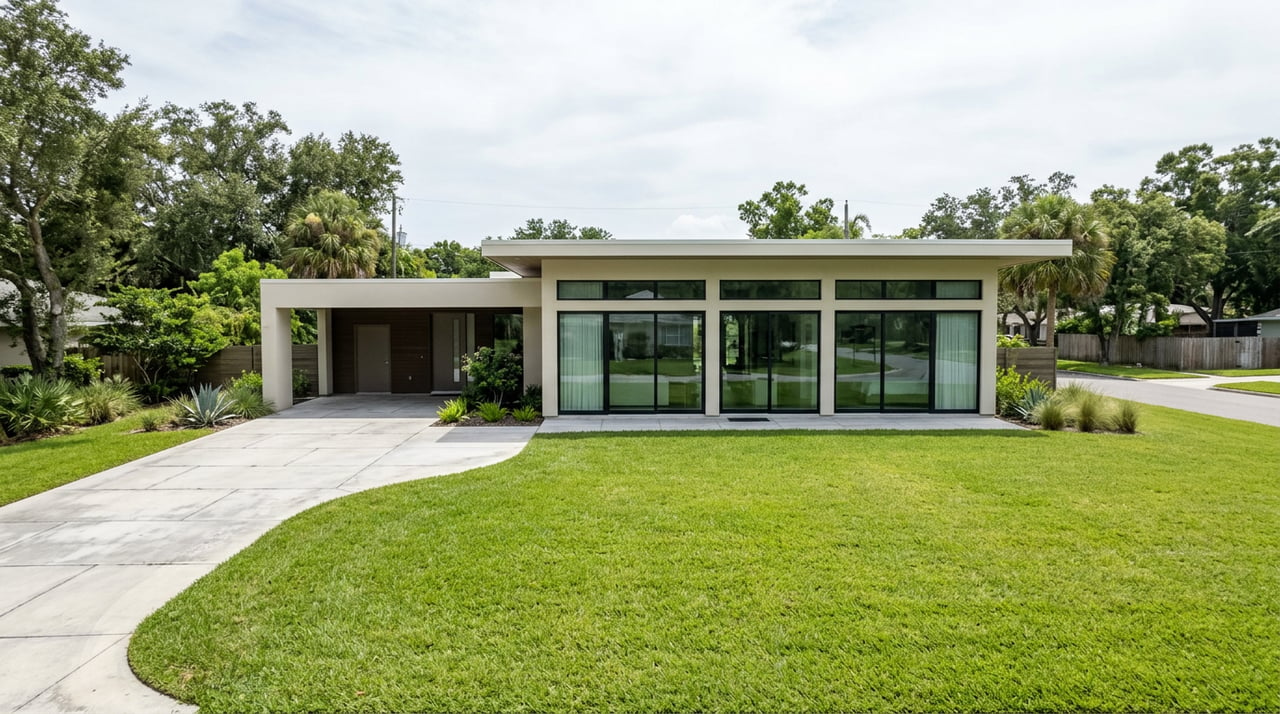
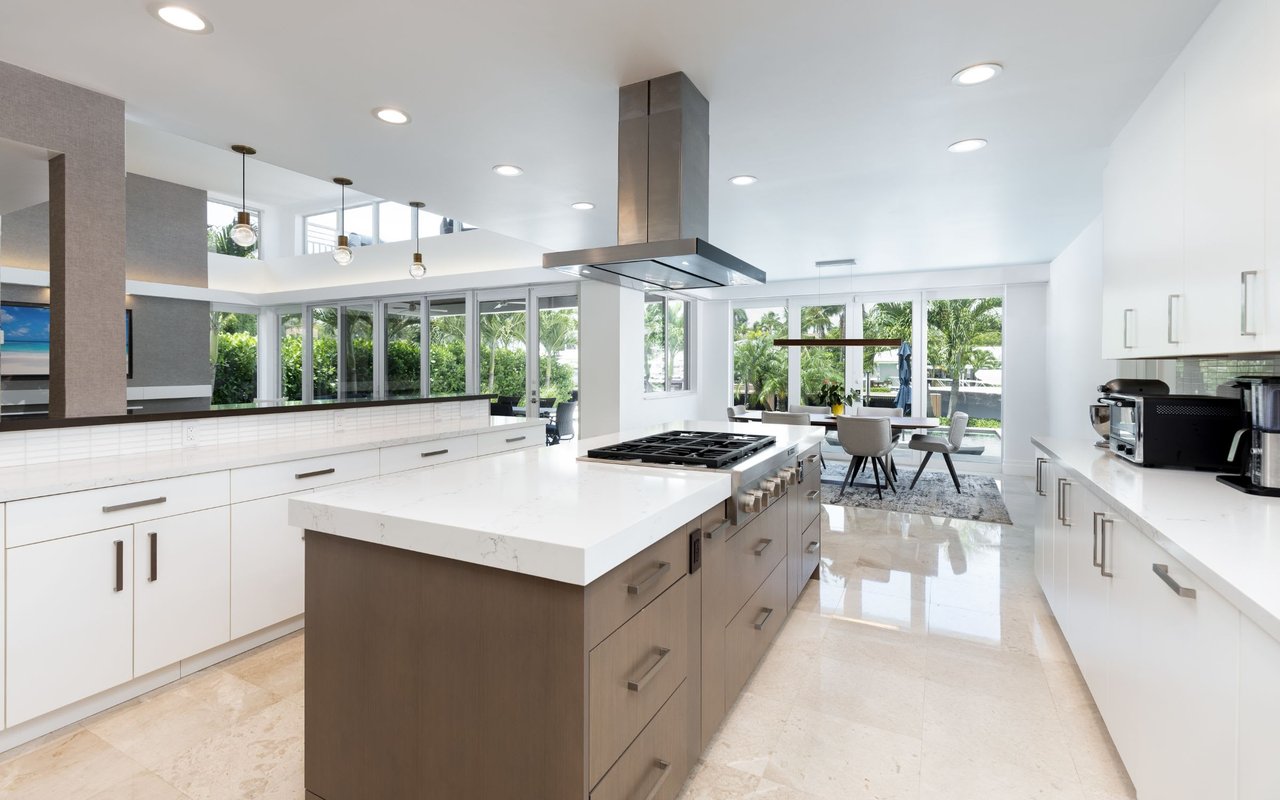
A renovated one-story home sits on a third-of-an-acre cul-de-sac lot in the Lake Shore Estates section of Lake Ida, the kind of listing that reads like every other high-end Delray Beach property until you get to one line in the description: the house was originally designed by Roy Simon, the architect who spent 65 years living in this neighborhood and founded the organization that still runs Downtown Delray Beach today, for his own brother.
Most people touring that house this fall will not be pricing the architecture. They will be pricing the lot underneath it. That is the actual story in Lake Ida right now, and it changes how a buyer should think about almost every older home in the neighborhood, whether it carries a famous name or not.
Lake Ida is not one market. It is two markets wearing the same zip code, and the split runs along a line most buyers do not think to draw until they are already comparing offers.
On one side are the homes bought to be lived in as they are, or renovated in place. On the other are homes bought for what is underneath them, where the structure is a formality on the way to a permit. Recent sales activity through August 2026 shows roughly five dozen Lake Ida transactions over the prior twelve months, with an average sale price in the mid two millions and homes typically spending well over three months on the market before closing. That pace tells you this is not a bidding-war neighborhood. It is a patient one, where price gets set lot by lot.
Here is the range that matters more than any single sale price:
| Lot condition | Typical price per square foot under air |
|---|---|
| Dry lot, older structure, sold as a teardown candidate | roughly $550 to $800 |
| Renovated home or new construction, standard interior lot | roughly $700 to $850 |
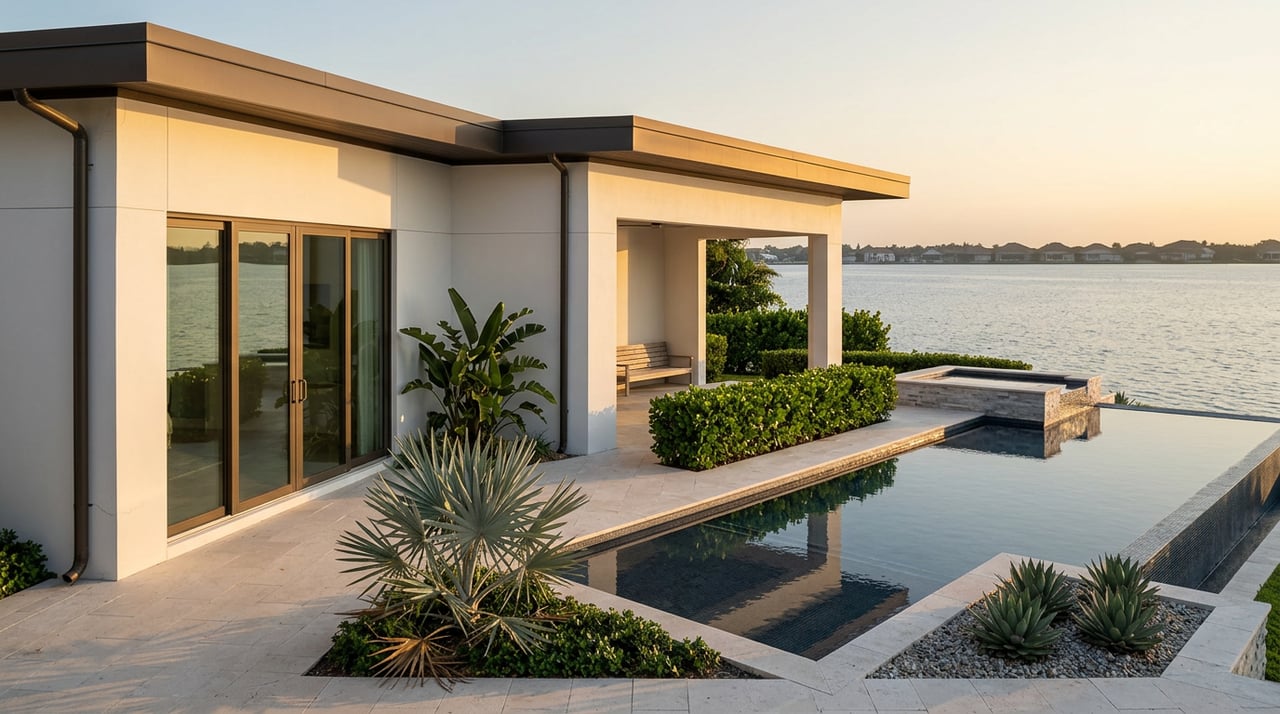
| New construction or major renovation on a premium lake-frontage lot | up to $1,000 |
That spread exists because the buyer on the low end is not paying for finishes, ceiling height, or a kitchen remodel. They are paying for roughly a quarter acre to a full acre of land in a neighborhood minutes from Atlantic Avenue, and planning to build the value themselves. The buyer on the high end is paying for someone else having already done that work, on the best available piece of ground.
Roy Simon was not a name buyer today would recognize from a builder's plaque. He was the architect who founded the Delray Beach Downtown Development Authority in 1971, designed Pompey Park, drew the plans for Trinity Lutheran Church and St. Vincent's Catholic Church, and was part of the small task force that saved the old Delray Beach Elementary and High School buildings from demolition in 1987, turning them into what is now Old School Square. He lived in Lake Ida for more than 65 years, ate lunch most days at the Green Owl, and ran his practice out of the same Delray Beach office until his death in August 2024 at age 93. His daughter, Laura Simon, now leads the DDA he started.
Winnie Diggans Edwards, executive director of the Delray Beach Historical Society, once described what he meant to the city's institutional memory this way.
"I've always sort of referred to him as our north star."
None of that history changes the appraisal math on the house he designed for his brother. A .35-acre lot in Lake Shore Estates prices the same whether the structure on it was drawn by a legend or by nobody in particular. The listing agent mentioned Simon's name because it adds a story worth telling at an open house. It does not add square footage, waterfront, or a lower price per foot for the next owner's contractor.
Lake Ida's lots run from roughly 8,000 square feet up to more than an acre, a range wide enough that no single per-square-foot number describes the whole neighborhood honestly. What decides which side of the pricing table a given property falls on is mostly two things: size and water frontage.
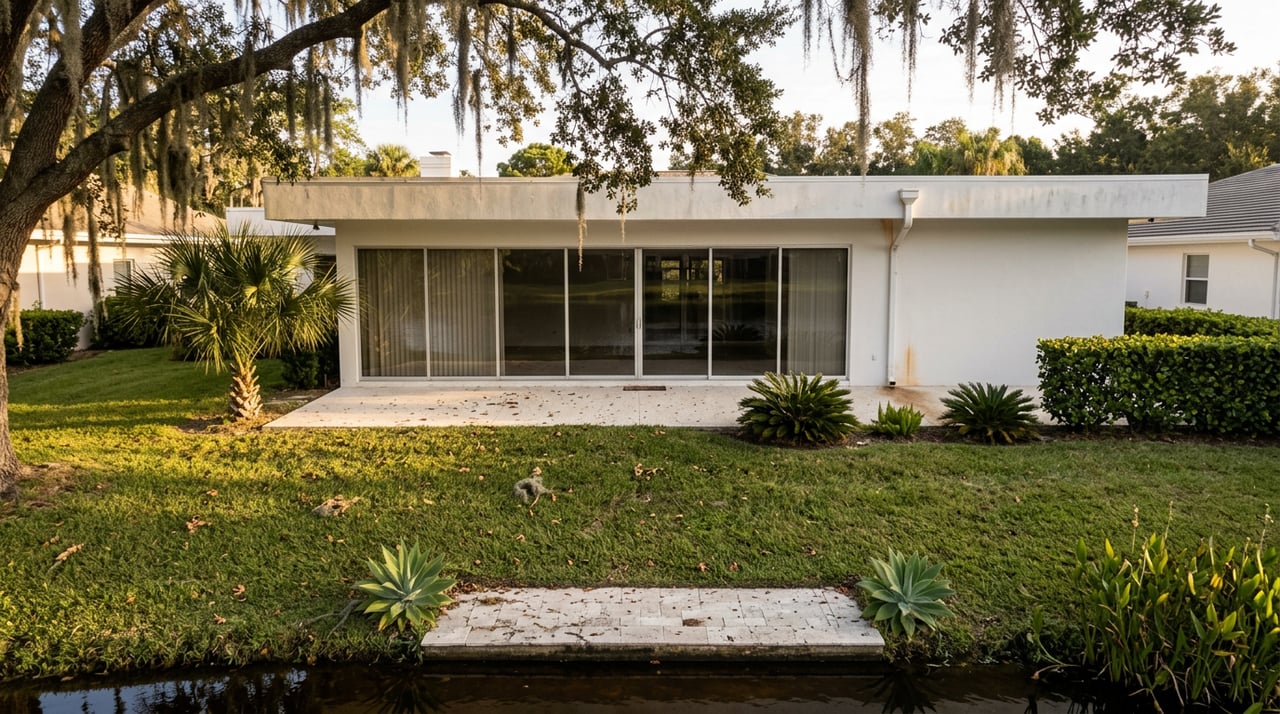
A dry, interior lot under 10,000 square feet with a dated 1960s structure is the classic teardown candidate. That is where builders like Bella Homes and Nest Builders have been active, and where the arithmetic favors demolition over renovation once a buyer runs the numbers on bringing an older structure up to current code and finish standards. A lake-frontage lot on a street like Lake Shore Drive is a different calculation entirely. There, builders such as Gulfstream Builders have partnered with local designers on new construction that commands the top of the range, because the land itself, not just the building on it, is the scarce input.
This is why two homes a few blocks apart, both built the same year, both roughly the same size, can carry a $200 or $300 per square foot gap in asking price. One sits on a dry interior lot. The other backs up to open water. The house is almost incidental to that difference.
Buyers cross-shopping Lake Ida often end up looking at Old Floresta, the historic district across the county line in Boca Raton, or at gated communities with monthly HOA fees near a thousand dollars that come with guardhouse security Lake Ida does not offer. The tradeoff is straightforward: Lake Ida is ungated and does not carry that HOA overhead, but it also does not offer the uniform architectural review or the guard gate that some buyers are specifically paying for elsewhere.
For a buyer deciding between an established Lake Ida home and a teardown opportunity, the honest framing is not renovation versus new construction. It is land versus finished product. A move-in-ready renovated home lets you skip a permitting and construction timeline that can run well past a year. A dry lot with a dated structure lets you set your own floor plan and finish level, at the cost of time, carrying costs during construction, and the uncertainty of a build budget in a market where labor and material costs shift month to month.
Before touring an older Lake Ida home with either strategy in mind, it is worth asking:
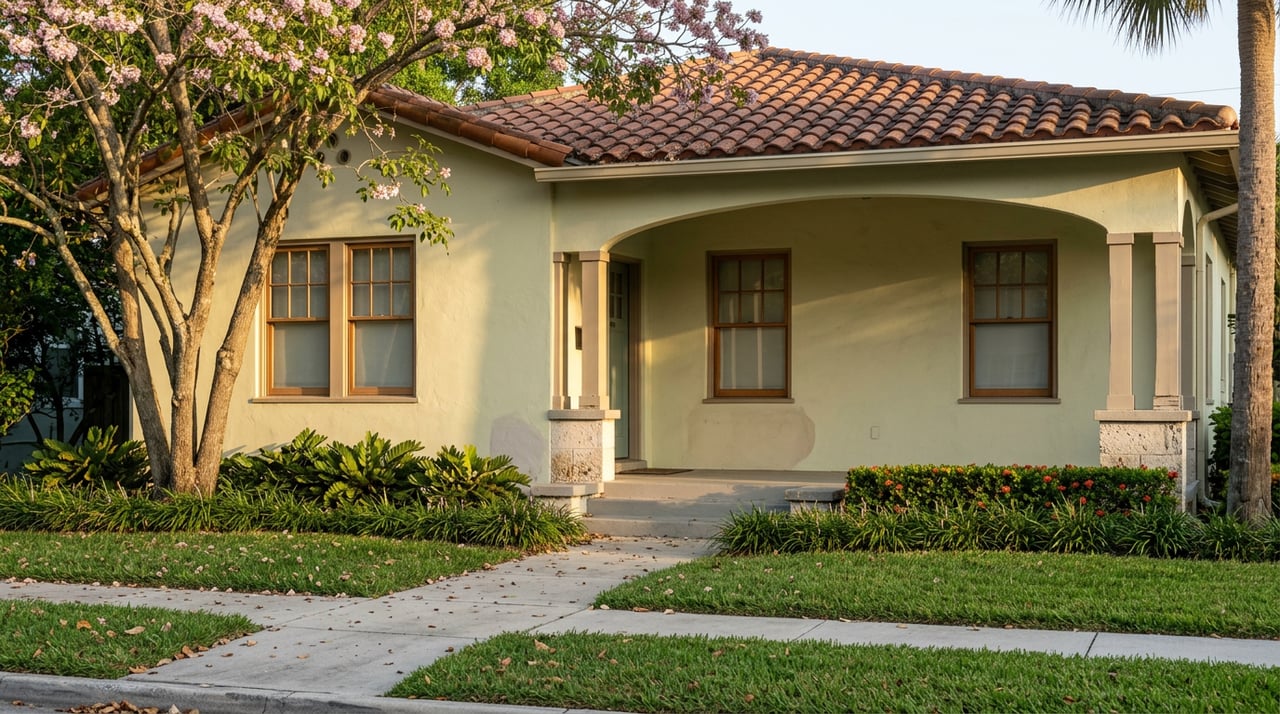
Does every older home in Lake Ida get torn down? No. Some of the neighborhood's most desirable properties are 1950s and 1960s homes that have been carefully updated rather than replaced. The market supports both strategies. What matters is knowing which one a specific asking price assumes before you make an offer.
Is buying a teardown-priced lot only worth it if you plan to build immediately? Not necessarily, but carrying an underutilized lot in a market where land values are the primary driver means you are paying property taxes and insurance on land priced for its future use, not its current one. That math works better for buyers with a build timeline in mind than for someone hoping to live in the existing structure for years first.
Lake Ida rewards buyers who know which question they are actually answering when they look at a listing. Michelle Sadownick has spent her career reading South Florida properties the way a designer and a market advisor both would, matching the right strategy, whether that is renovation, new construction, or a straightforward move-in purchase, to the lot in front of you. If you are weighing your options in Lake Ida or anywhere along the Delray Beach and Palm Beach coastal corridor, schedule a private consultation with Michelle Sadownick before you make an offer on the next one.

When you work with Michelle, she consistently goes the extra mile to provide the highest level of service while building strong relationships, and is genuinely excited to help you achieve your real estate goals.
900 E Atlantic Ave #18 Delray Beach, FL 33483