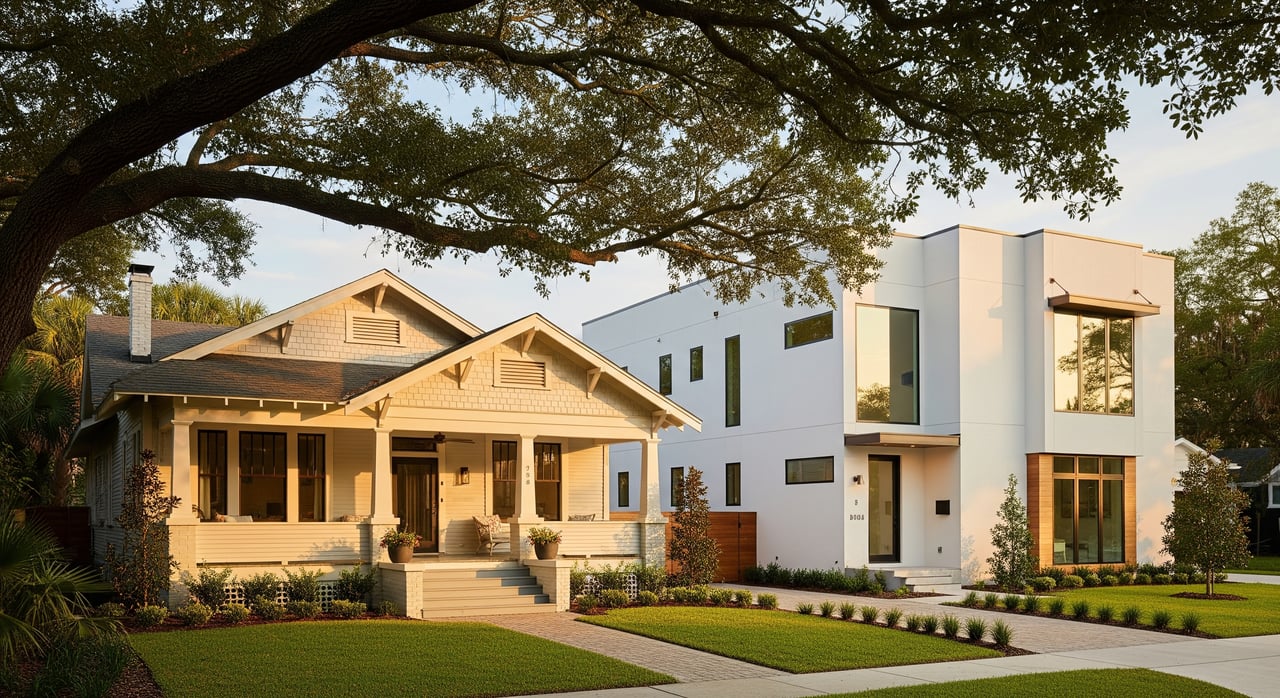
Choosing Between New and Historic Homes in Osceola Park
January 15, 2026
January 15, 2026
Torn between the charm of a classic bungalow and the ease of a sleek new build near Atlantic Avenue? You’re not alone. In Osceola Park, buyers often weigh character and history against modern layouts and low maintenance. This guide breaks down what you need to know about architecture, upkeep, insurance, permits, and lifestyle fit so you can decide with confidence. Let’s dive in.
Osceola Park is an established, walkable neighborhood just off Atlantic Avenue, Delray Beach’s main downtown corridor. You get quick access to restaurants, retail, beaches, and transit. The area blends older cottages on compact lots with new infill builds, all under a mature tree canopy. That mix is a big draw if you want both lifestyle and location.
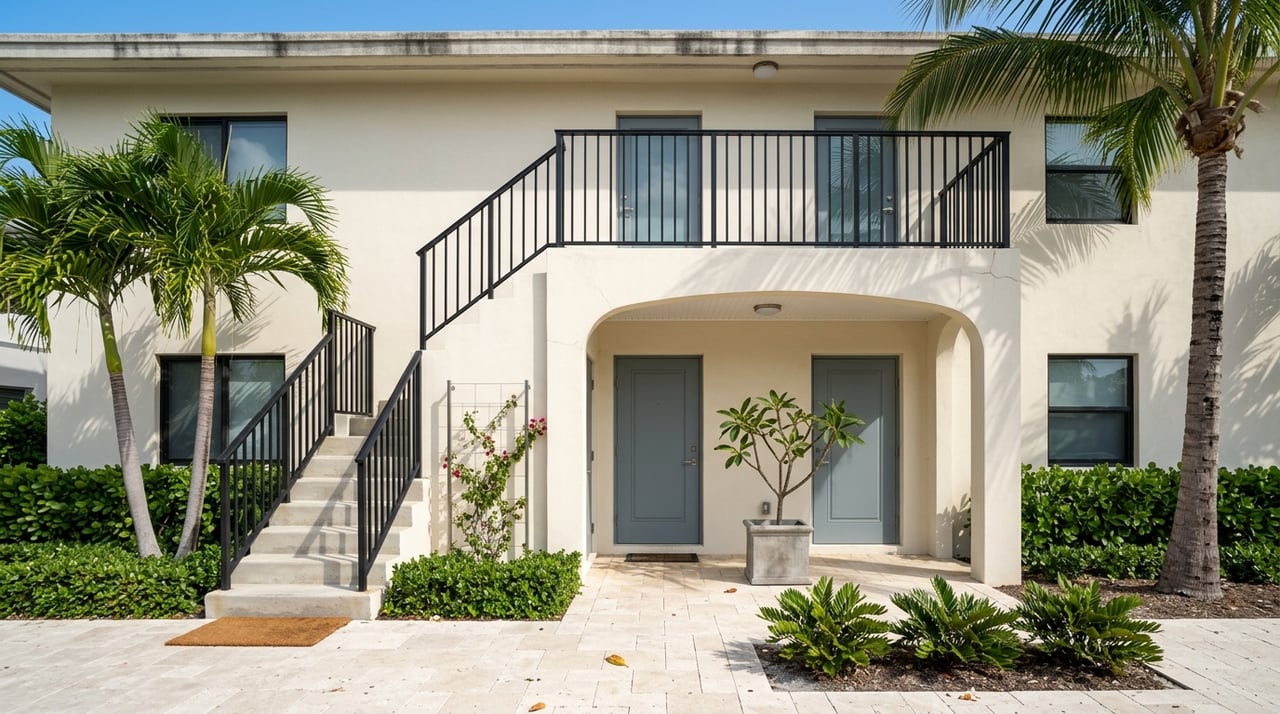
Historic homes in South Florida often include one to two stories, frame cottages or bungalows, and period details like wood siding and front porches. You’ll find modest footprints, narrow side yards, shallow front setbacks, and sometimes alley or detached garages. The street rhythm and mature landscaping create a distinct neighborhood feel. Many buyers value these original details and the sense of place.
With older homes, plan for potential upgrades to HVAC, electrical, plumbing, and roofing. Moisture control, termite repair, and window weatherproofing are common projects. Original materials can cost more to repair or replicate if you want to preserve authenticity. Energy performance may lag without improvements to insulation, windows, and mechanical systems.
Older homes may sit below current recommended elevation in coastal areas. You should review FEMA flood zones and obtain an elevation certificate to understand potential flood insurance needs. Wind mitigation is also key; original windows and roof connections may not meet current standards. Expect more variation in premiums until upgrades are in place.
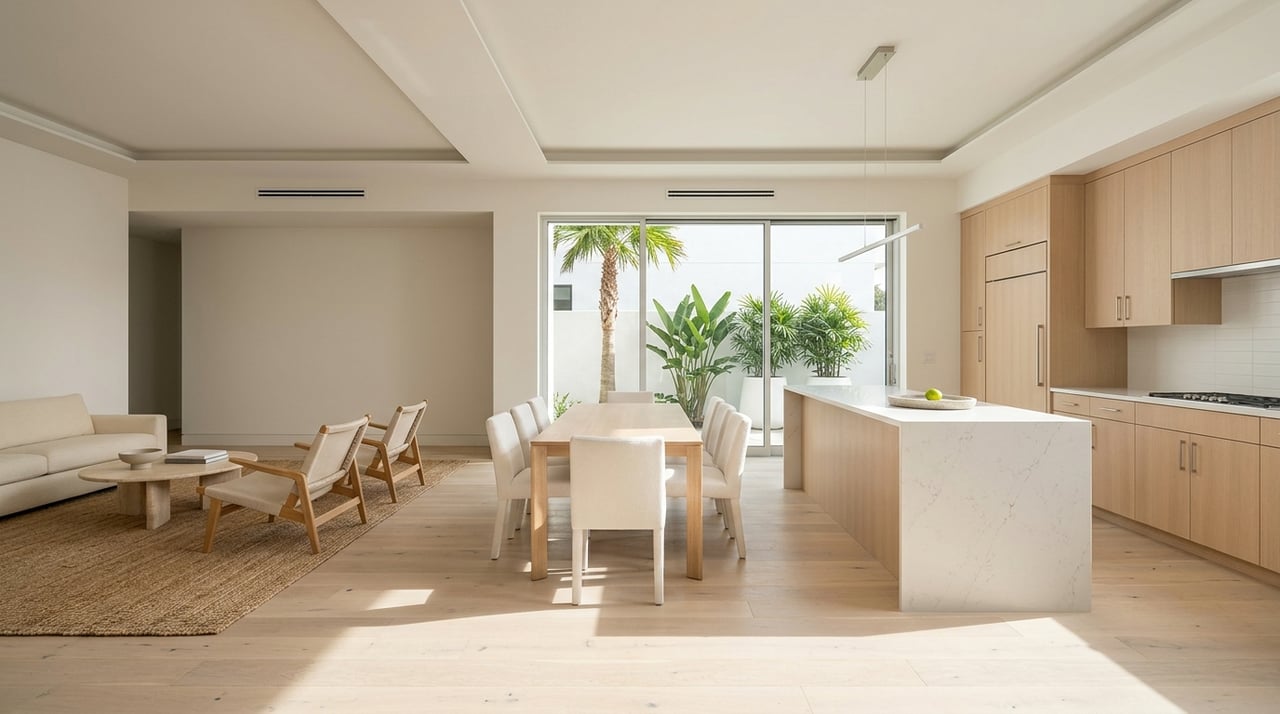
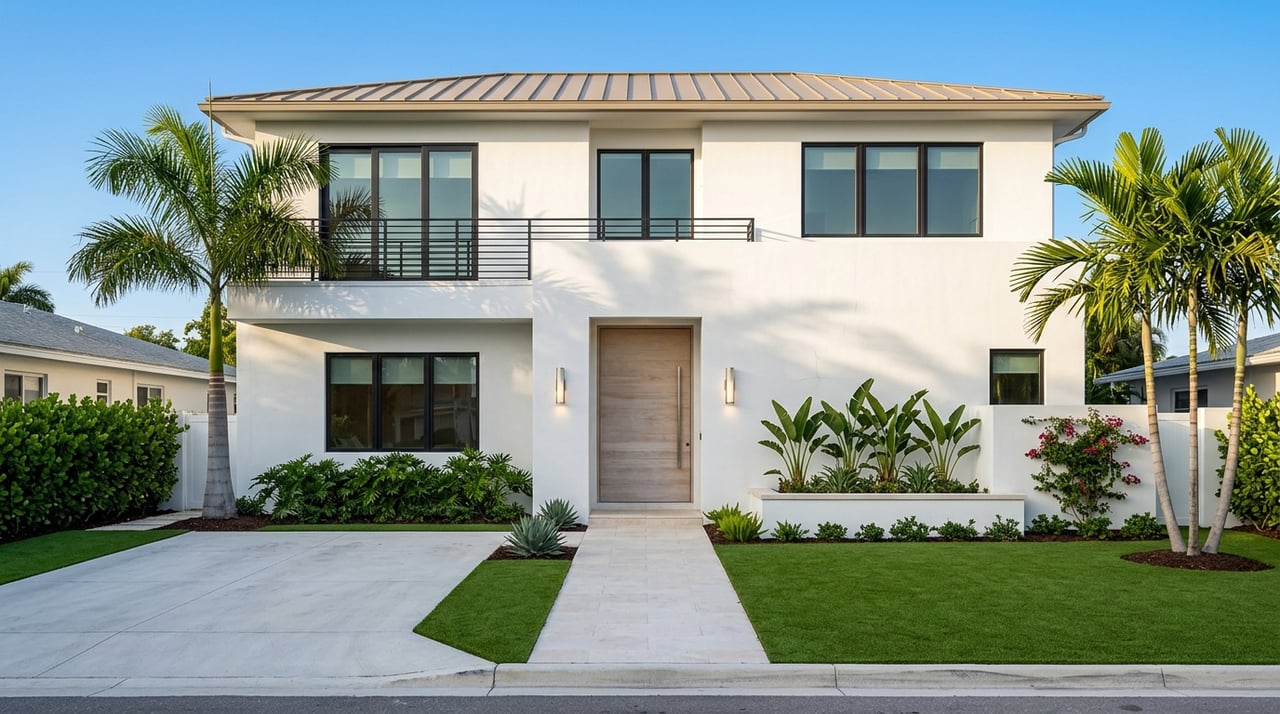
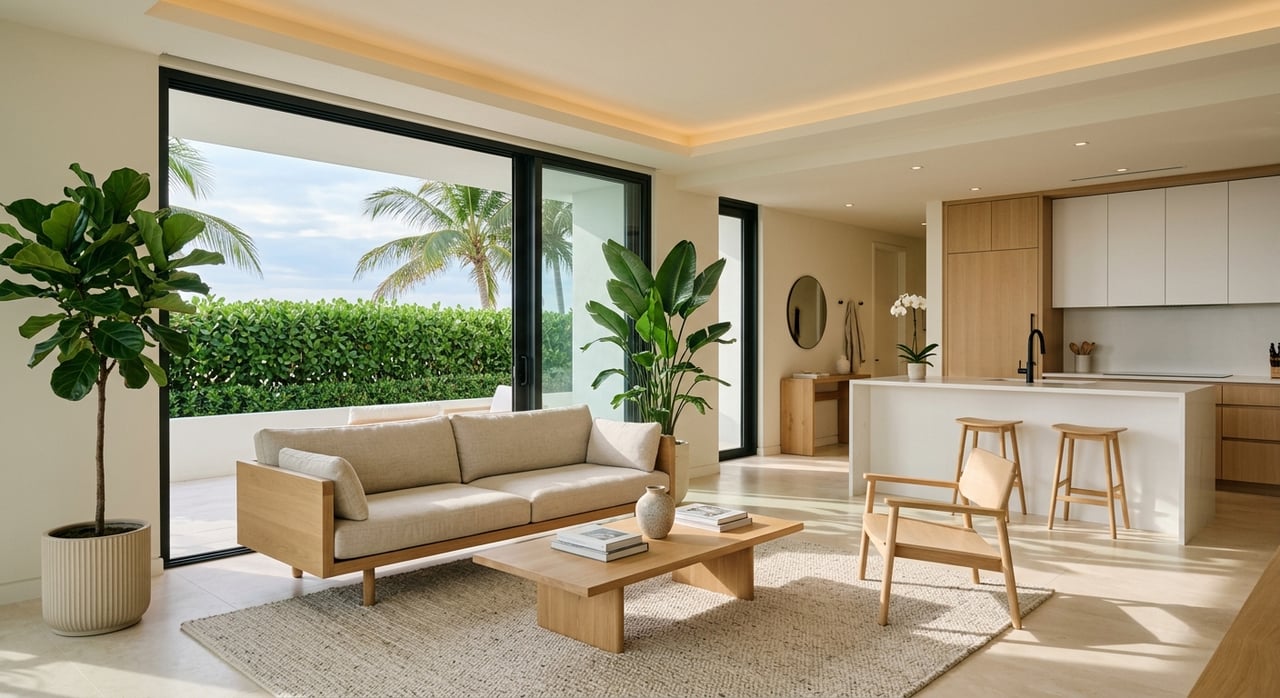
New builds on infill lots usually maximize interior square footage and offer open floor plans, taller ceilings, and integrated garages. Materials often include impact windows and newer exterior claddings designed for durability. Some new homes match the neighborhood scale, while others can feel larger than original cottages. The design approach affects how the home fits the block.
Modern systems and current code compliance reduce near‑term maintenance. Many builders provide limited warranties for structural elements and major systems. Energy efficiency is typically stronger thanks to tighter building envelopes and updated HVAC, which can help lower utility costs in the short term.
New homes must meet today’s building codes, including wind and, where applicable, floodplain standards. Elevated finished floors, stronger foundations, and impact protection are common in coastal-adjacent areas. These features can support more predictable insurance pricing over time.
Cosmetic updates are often straightforward, but structural changes, additions, and system overhauls require permits. Unpermitted past work can complicate financing and closings, so verify the property’s permitting history. If a property is within a local historic district or overlay, exterior changes and demolitions may require review. Confirm status and process with the City of Delray Beach before you plan scope or budget.
New construction must comply with the Florida Building Code and local requirements. Expect plan review, inspections, and potential impact fees. On smaller, established lots, you’ll also need to account for setbacks, drainage and stormwater requirements, and possible tree preservation rules.
For a new build, buyers often use construction loans that convert to a mortgage, or builder-offered paths when available. For historic home projects, you can explore conventional loans with renovation budgets, FHA 203(k) options (if eligible), or other improvement programs through lenders familiar with these products. Lender requirements may include inspections and detailed scope documents.
You might favor a historic home if you love original details and an established streetscape. You’re comfortable with ongoing care and selective upgrades to preserve character. You enjoy the creative process of tailoring a home over time.
You might prefer new construction if you want turnkey living and modern layouts from day one. You value energy efficiency, integrated systems, and fewer immediate repairs. You like the convenience of a home designed to current standards.
Historic homes
New construction
Choosing between new and historic in Osceola Park comes down to your timeline, appetite for projects, and how you want to live near Atlantic Avenue. If you want help weighing tradeoffs, sketching a renovation plan, or sourcing a new build that fits the block, you’ll benefit from design‑savvy guidance and local insight. For tailored advice and a clear path forward, connect with Michelle Sadownick for a private consultation.
When you work with Michelle, she consistently goes the extra mile to provide the highest level of service while building strong relationships, and is genuinely excited to help you achieve your real estate goals.
900 E Atlantic Ave #18 Delray Beach, FL 33483