Buying a waterfront lot in Tropic Isle should feel exciting, not uncertain. The canals, the quick access to the Intracoastal, and the relaxed Delray Beach lifestyle draw boaters for good reason. But not every lot fits every boat or every plan. In this guide, you’ll learn how to match a Tropic Isle lot to your vessel and your goals by checking canal width and depth, bridge clearance, dockage and seawalls, exposure, and rebuild potential. Let’s dive in.
Why Tropic Isle attracts boaters
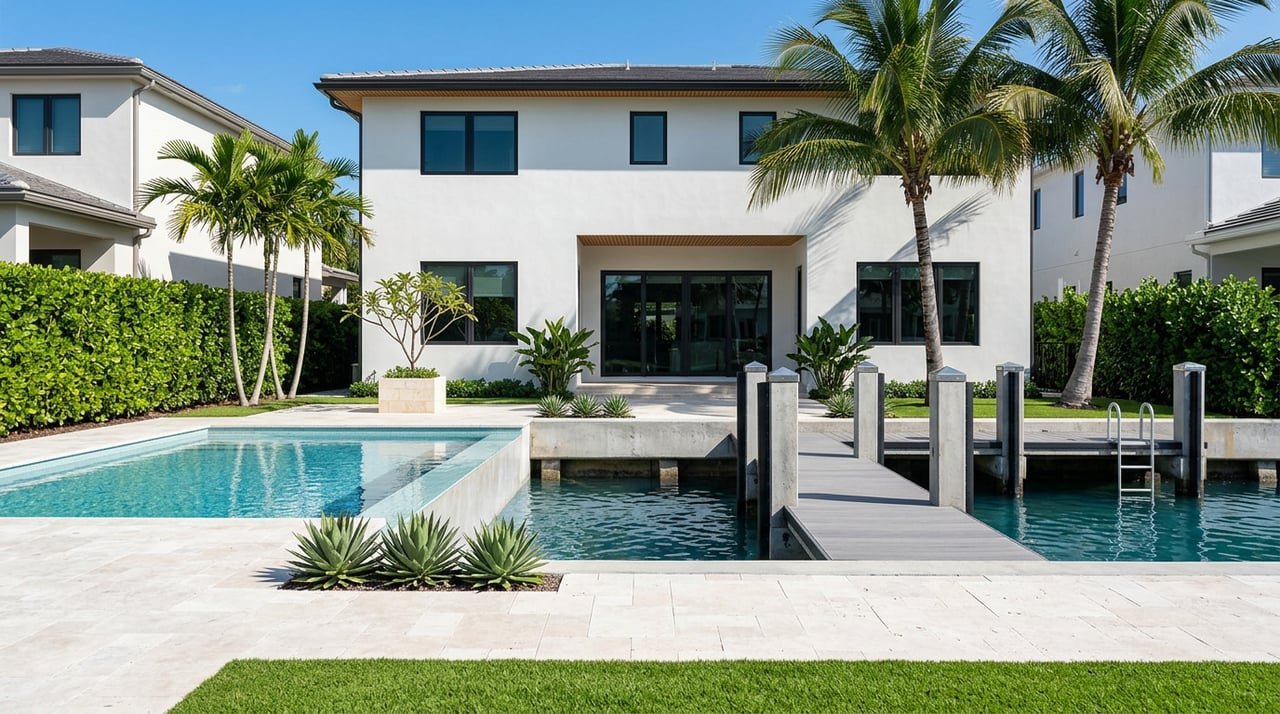
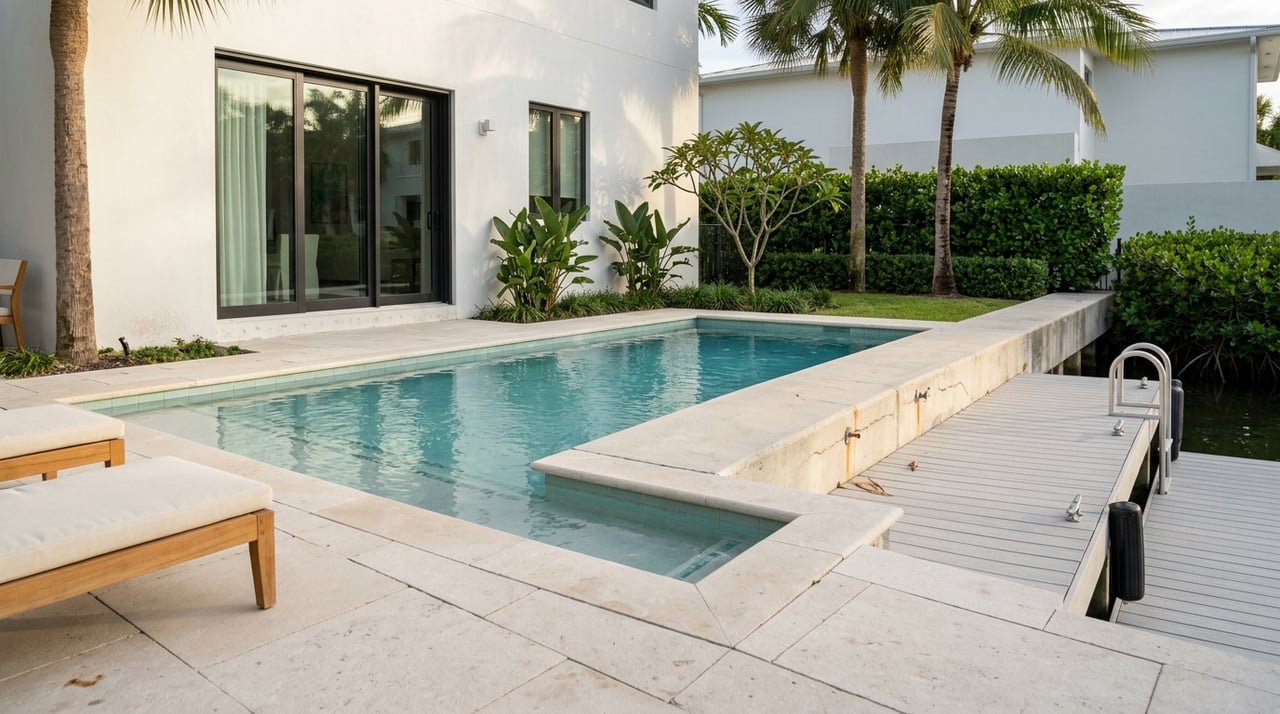
Tropic Isle is a canal-front neighborhood in east Delray Beach with direct connection to the Intracoastal Waterway and convenient runs to the Atlantic through nearby inlets. Many homes offer private docks, and the community is known for deep-water canals and boating access. You can read a concise neighborhood history and boater context from the local association’s feature on Tropic Isle’s canal system and waterfront living at the Tropic Isle Neighborhood Association.
That said, “deep water” labels vary by location within the neighborhood. If boating is a priority, verify canal depth, your boat’s draft, and any fixed or movable bridges between your dock and your preferred inlet. For tidal datums, charted depths, and route planning, start with the federal baseline at NOAA’s Nautical Charts and Tides.
Canal width and depth: what to verify
Canal width and controlling depth determine how comfortably you can maneuver and whether your boat will clear at mean low tide. Do not rely only on broad MLS categories. Ask for the exact canal width at your property lines on the survey, and confirm depth with recent soundings tied to a tidal datum such as mean lower low water.
- Get dimensions in writing. Request a current boundary survey that shows the mean high-water line and riparian lines, plus an as-built dock survey with pile locations and measured distances to side property lines.
- Confirm controlling depth. Ask for the date and reference level of any depth readings. If none exist, hire a marine surveyor to run soundings at low tide. Charted depths reference a tidal datum. That number only helps you if you know when and how it was measured. NOAA is your technical reference for datums and tides.
- Check turning room. Wider canals and point or corner lots give you more space to pivot a larger vessel. Narrow canals demand more precision and can add risk on windy or busy days.
Buyer questions to ask the seller or listing agent:
- What is the controlling depth at the dock and along the approach, and what datum and date was it measured?
- Do you have recent hydrographic soundings taken at mean low tide?
- Are there records of dredging or a canal maintenance schedule in this location?
Bridge clearance and route planning
Plot the full route from the property to your preferred inlet and note every bridge or narrow pinch point. Measure your boat’s air draft at its tallest point, then compare it to posted clearances and tide ranges before you assume you can pass under a closed bridge. Local boating organizations outline drawbridge procedures and schedules along the ICW. For context on area bridges and operating rules, review guidance from America’s Boating Club of Palm Beach, and cross-check your route with NOAA charts and the tide station data.
Quick route tips:
- Know your vessel specs. Record your fully loaded draft and air draft, including any antennas or radar domes.
- Allow margin for tides and weather. A one-foot tidal swing can make a big difference. Plan for daytime and night transits.
- Practice the approach. If possible, ride along with a local captain or do a trial run at slack tide before closing.
Dockage, seawalls, and permitting basics
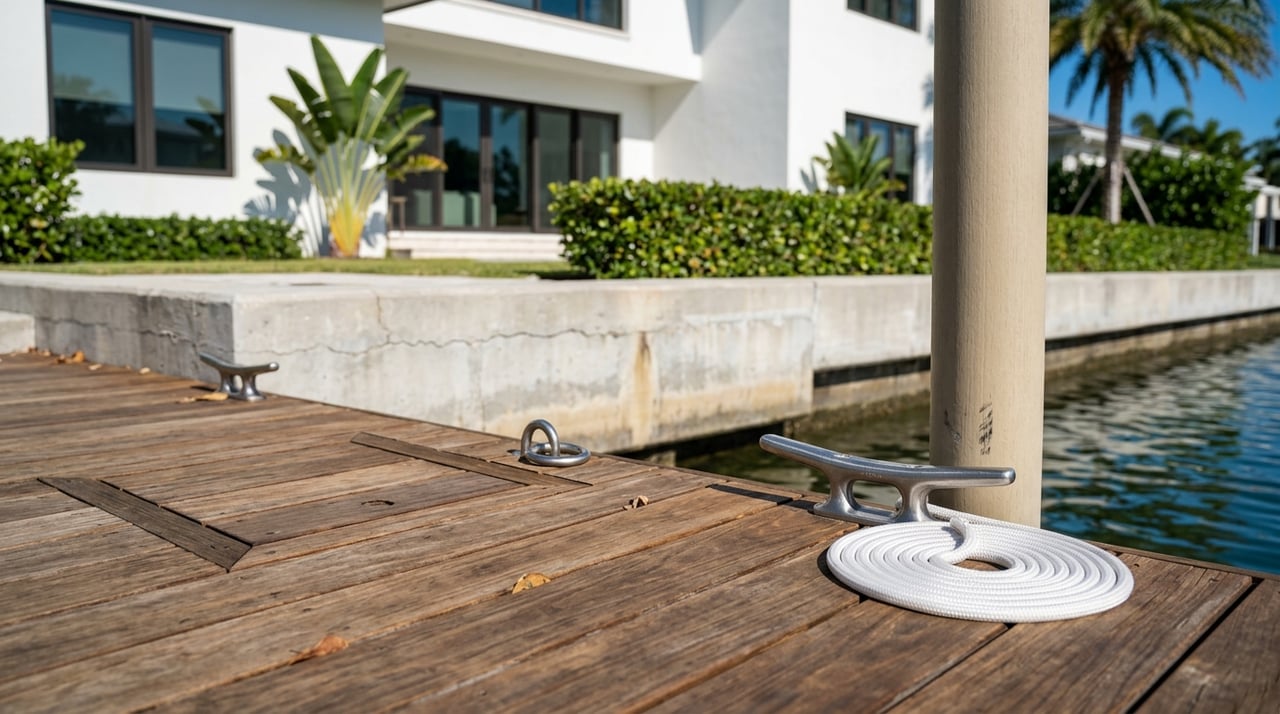
On a canal lot, the dock and seawall are central to value and long-term usability. Permits, structural condition, and lift capacity should be part of your first review.
- Permit history. Ask for copies of permits and final inspections for the dock, lift, seawall, and any dredging. The City of Delray Beach manages local approvals and variances. You can see the City’s active approach to coastal structures in its public notices and LDR updates.
- State and federal layers. Work that extends waterward of the mean high-water line often requires state authorization over sovereign submerged lands under Florida’s rules. Private dock size and placement are governed in part by Chapter 18-21 of the Florida Administrative Code. Review the criteria in F.A.C. 18-21.004 to understand limits on dock area and preemption of a waterbody’s width. Dredging or significant work in navigable waters can trigger U.S. Army Corps of Engineers review.
- Seawall condition. Seawalls are often the largest waterfront repair item. Obtain the age, material, recent repair invoices, and any engineer’s reports. Replacement costs vary by material, linear footage, and site conditions. Published ranges can help you budget, but get local bids early. For planning purposes, see cost drivers summarized in this dock and marine work cost overview.
- Dock and lift capacity. Match the lift’s weight rating and beam width to your current or future boat. Confirm electrical power was installed to code and condition is safe.
Permitting sequence to expect:
- City of Delray Beach. Local zoning and building permits, plus any seawall or dock variances as applicable.
- Florida Department of Environmental Protection and Board of Trustees. Authorization for use over sovereign submerged lands per Chapter 18-21.
- U.S. Army Corps of Engineers. Required for dredging, filling, or certain work in navigable waters.
A qualified marine contractor can scope feasibility and timelines for your specific lot, and can help coordinate with multiple agencies. For a practical overview of services and typical workflows in Palm Beach County, review a local practitioner’s marine permitting and construction guide.
Exposure and lot position
Waterfront living is as much about comfort at the dock as it is about minutes to the inlet. The lot’s position and exposure influence daily experience and maintenance.
- Point or corner lots. You typically gain wider frontage and better maneuvering space. These sites often carry a premium due to access and views.
- Mid-canal wide lots. If canal width and depth are favorable, these can fit larger vessels with easier turns.
- Protected side canals. Sheltered settings can reduce wake and wind exposure, which many boat owners prefer for calmer docking.
Consider wind, wake, and sun. Prevailing sea breezes and seasonal patterns affect fetch and dockside conditions. South or west backyard exposures collect more afternoon sun, which can be great for pools but may increase heat on the dock. For local marine conditions and seasonal norms, consult National Weather Service Miami.
Renovation or tear-down: how to decide
In Tropic Isle, many buyers weigh whether to renovate or rebuild on a canal lot. Your choice often comes down to structure, code compliance, and marine infrastructure.
- Seawall drives the budget. A failing or obsolete seawall can consume a large share of project costs. Replacement is often prerequisite to other improvements and can extend timelines.
- Code and elevation. New construction must meet current flood elevation and wind-resistance standards. That can mean raising finished floor elevation and investing in engineered foundations.
- Waterward changes trigger more reviews. Extending a dock, adding finger piers, or proposing dredging can require additional state and federal approvals. Review allowable dock parameters in F.A.C. 18-21.004 and coordinate with the City’s development staff early.
A smart sequence:
- Order a structural inspection for the home and a seawall and dock inspection. Know what must be addressed now versus later.
- Pull recorded permits and any as-built surveys for marine work. Confirm there are no outstanding violations with the City.
- Compare costs side by side. Ask an engineer and a contractor for preliminary budgets to bring the home to current code versus building new. Include seawall and dock work.
Tropic Isle buyer due-diligence checklist
Request these items before you waive contingencies:
- Current boundary survey showing the mean high-water line, waterfront frontage, and riparian lines.
- As-built dock survey with pile locations, deck dimensions, distance from side property lines, and any available depth soundings.
- Copies of permits and final inspections for the dock, lift, seawall, and any dredging. Note any after-the-fact filings.
- Seawall inspection or engineer’s report, plus invoices for recent work. Ask for contractor references if replacement is likely.
- FEMA Flood Map printout and any available Elevation Certificate. You can check official zones and base flood elevation at FEMA’s Flood Map Service Center.
- Title review for riparian rights and any easements that affect waterfront use.
- If you own a boat or plan to buy one soon, have a marine surveyor confirm fit: approach depth, turning room, bridge clearances, and shore power.
Work with a local advisor
Choosing the right lot in Tropic Isle is part technical, part lifestyle. You want confidence that the canal and route fit your boat, and you want a home and outdoor spaces that feel easy day to day. With design-forward guidance and local permitting insight, you can plan the right improvements and protect your timeline.
If you’re weighing lots or want a second set of eyes on depth, exposure, and rebuild potential, connect with Michelle Sadownick for a private, no-pressure consultation. Michelle blends neighborhood expertise in Delray Beach with design-savvy advice and a concierge process supported by ONE Sotheby’s International Realty. She’ll help you align the property, the dock, and the lifestyle you want.
FAQs
What makes Tropic Isle appealing for boat owners?
- Tropic Isle offers canal-front living with direct Intracoastal access and many lots with private docks, which creates shorter runs to open water for many boaters.
How do I verify a canal’s depth is right for my boat?
How should I plan for bridge clearances from Tropic Isle?
- Measure your boat’s air draft, then map your route and compare it to bridge clearances and drawbridge schedules. Local guidance is available from America’s Boating Club of Palm Beach.
Which permits are commonly needed for a new dock in Delray Beach?
- Expect City building permits and potential variances, plus state authorization for structures over sovereign submerged lands. Dredging or major work may also require U.S. Army Corps review.
What should I budget for seawall replacement or major dock work?
- Costs vary by materials, linear footage, and site conditions. Get multiple local bids and plan for multi-week to multi-month timelines, since permitting and construction can extend schedules.