Boynton Beach 1031 Exchange and Investment Guide
April 16, 2026
April 16, 2026
If you are eyeing Boynton Beach as your next investment move, timing and strategy matter just as much as price. Whether you want to buy a rental, sell into a softer market, or complete a 1031 exchange without costly mistakes, you need a plan that fits both the local numbers and the IRS rules. This guide walks you through what to watch in Boynton Beach, what to verify before you buy, and how to think about value, timing, and presentation with more confidence. Let’s dive in.
Boynton Beach stands out as a relative value market within Palm Beach County. According to U.S. Census QuickFacts for Boynton Beach, the city’s median owner-occupied home value was $351,100, below Palm Beach County’s $447,300 and below nearby Boca Raton, Delray Beach, and West Palm Beach. For investors, that pricing gap can make Boynton Beach worth a closer look.
The local housing mix also supports investor interest. Census data shows an estimated 2024 population of 83,095, a 64.7 percent owner-occupied housing rate, and a median gross rent of $2,041 for 2020 through 2024. In simple terms, Boynton Beach is not just an owner market or just a renter market, which can create flexibility depending on your strategy.
At the broader market level, HUD’s West Palm Beach-Boca Raton-Delray Beach housing market report describes Palm Beach County as a balanced rental market overall, though apartments are slightly soft right now. The same report notes forecast demand for 10,800 additional rental units from 2025 to 2028. That does not guarantee returns, but it does support the case for longer-term rental demand across the metro.
Before you buy or sell, it helps to be realistic about today’s pace. Redfin’s Boynton Beach housing market data reported a February 2026 median sale price of $315,000, down 15.8 percent year over year, with homes taking about 95 days to sell and a 93.9 percent sale-to-list ratio. That points to a softer environment than many investors expect in South Florida.
For buyers, a slower market can create room for negotiation. For sellers, it means you should build in a longer resale timeline and avoid overly aggressive pricing assumptions. If your plan involves buying, improving, renting, and later selling, conservative underwriting is usually safer than betting on a quick exit.
A 1031 exchange can be a powerful tool, but only when the details are handled correctly. The IRS explains in Form 8824 instructions that Section 1031 now applies only to real property held for investment or business use. Property held primarily for sale does not qualify, which is an important distinction for investors who flip homes versus those who hold them.
The biggest timing rules are also the easiest to underestimate. The replacement property must be identified within 45 days after the sale of the relinquished property, and it must be received within 180 days or by your tax return due date, whichever comes first, according to the IRS exchange guidance. That means your search should begin before the original property closes, not after.
Another major issue is control of proceeds. The IRS states that deferred exchanges must avoid actual or constructive receipt of sale funds, which is why qualified intermediaries and qualified escrow or trust arrangements are commonly used. If you take possession of the proceeds, the exchange can fail.
In Boynton Beach, condos and townhomes often look appealing from a price standpoint, but they require more front-end review. Florida Realtors explains that resale condo documents may include the declaration, bylaws, rules, annual financial information, and inspection-related materials, and these documents can trigger a seven-business-day buyer cancellation period after receipt by the buyer. You can review that guidance in Florida Realtors’ condo law resource.
That extra review window matters if you are on a 1031 exchange clock. Waiting until after your sale closes to start reviewing association documents can eat into your 45-day identification period. In practice, that means investor due diligence should begin early, especially if you are considering multiple condo options.
Association documents are part of the investment analysis, not a side note. Florida Realtors notes that condo documents may contain restrictions on rentals, pets, parking, noise, flooring, and investor limits. They can also include recent financials, milestone inspection reports, and structural integrity study materials where applicable.
Those details can change the numbers fast. A unit that looks attractive at first glance may become less appealing once you factor in association dues, reserve funding, special assessments, transfer fees, or lease restrictions. A lower purchase price does not always mean a better investment.
Here are a few items to verify before moving forward:
If you are comparing condos, townhomes, and small multifamily properties, this diligence can help you avoid buying into rules that do not fit your plan.
One detail investors often miss is the treatment of personal property. The IRS states that if a 1031 exchange includes cash or other non-like-kind property, gain is recognized to that extent. You can see this in the IRS instructions for exchange reporting.
In practical terms, that matters when a Boynton Beach property is sold furnished or includes appliances, décor, or other non-real-property items. The real estate itself may qualify, but certain personal property components can create taxable boot. If your transaction includes furniture or other extras, that issue should be tracked carefully with your tax team.
A smart Boynton Beach investment model should reflect current local conditions. Based on Redfin’s market data, homes are not moving at a rapid pace, and the average seller is not getting full list price. That suggests a conservative approach to projected resale timing and exit value.
Your numbers should account for more than the mortgage payment. For many South Florida properties, especially condos and townhomes, you also need to underwrite:
If you are planning a 1031 exchange, align these assumptions with your timing. The tighter your deadline, the more important it becomes to focus on properties with clear docs, predictable financing, and manageable association review.
In a softer market, presentation matters. According to the National Association of Realtors 2025 Profile of Home Staging, 83 percent of buyers’ agents said staging made it easier for buyers to visualize a property as a future home. The same report found that the most important rooms to stage were the living room, primary bedroom, and kitchen.
That insight is especially useful for Boynton Beach condos and townhomes. You may not need a full renovation to improve marketability. A cleaner, brighter, neutral presentation often does more to support interest than expensive finishes that do not match the local price point.
NAR also reported that 29 percent of agents said staging increased the dollar value offered by 1 percent to 10 percent, while the median spend on a staging service was $1,500. For many investors, that makes decluttering, light design updates, and strong photography a more practical value-add than a major remodel.
If you plan to rent first and sell later, choose updates that work in both phases. Durable finishes, neutral colors, clean lighting, and a layout that photographs well can support tenant appeal now and resale appeal later. This is where thoughtful design guidance can help you avoid over-improving.
For many Boynton Beach properties, the most effective improvements are simple:
The goal is not to make every property luxury. The goal is to make the home feel well cared for, easy to imagine living in, and ready for the market you are targeting.
One of the clearest takeaways for Boynton Beach investors is that timing should be built backward from the sale date. The IRS deadlines leave little room for delay, and Florida condo review periods can add another layer of complexity. That is why your exchange timeline, financing plan, document review, contractor schedule, and listing or staging strategy should be mapped out before closing day.
If you are selling one investment property and moving into another, you want each step coordinated early. That includes identifying likely replacements, reviewing condo rules, understanding carrying costs, and planning how the property will be leased, improved, or sold later. A more organized process usually means fewer surprises and better decision-making.
If you want a local advisor who can help you think through Boynton Beach investment opportunities, condo due diligence, design improvements, and 1031 exchange strategy, Michelle Sadownick offers a high-touch, market-savvy approach across Palm Beach County.


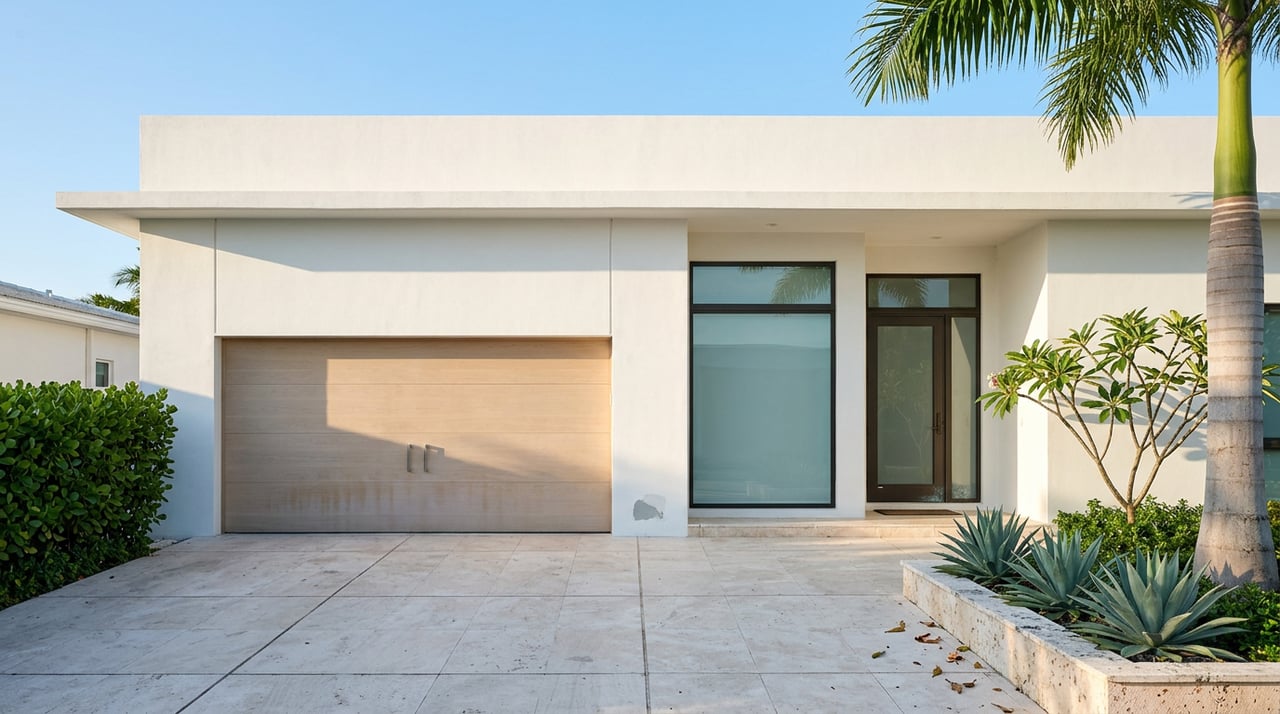


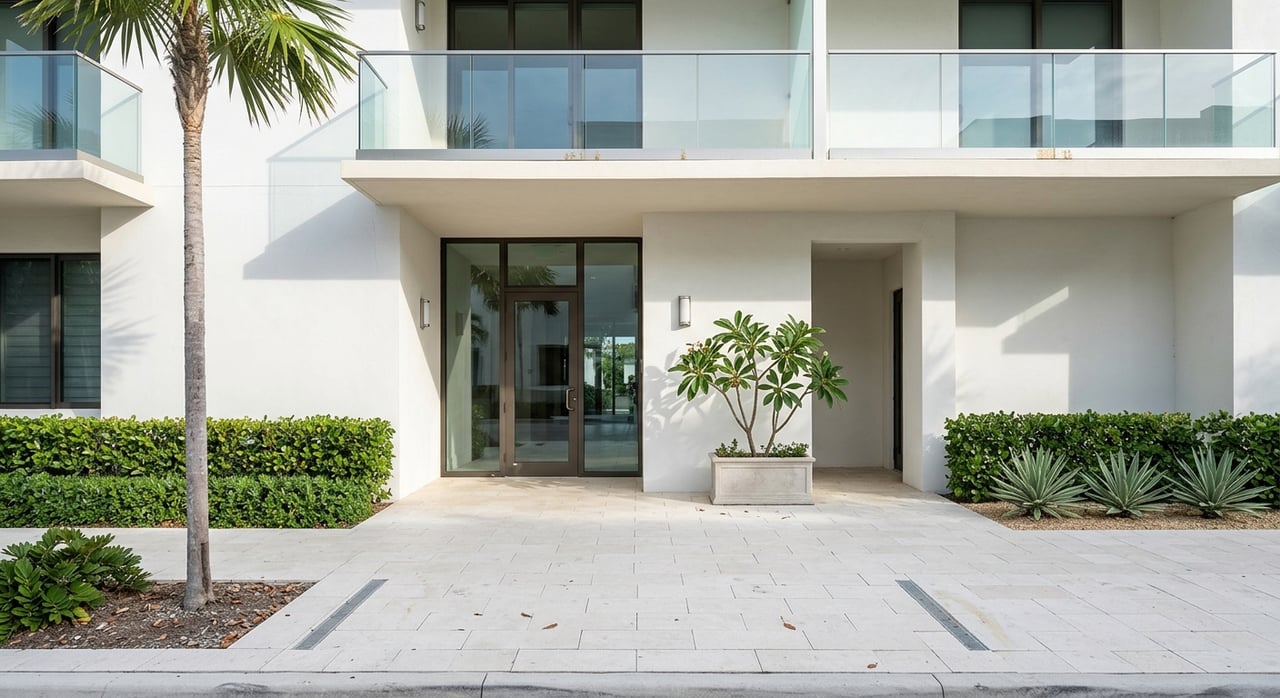
When you work with Michelle, she consistently goes the extra mile to provide the highest level of service while building strong relationships, and is genuinely excited to help you achieve your real estate goals.

900 E Atlantic Ave #18 Delray Beach, FL 33483