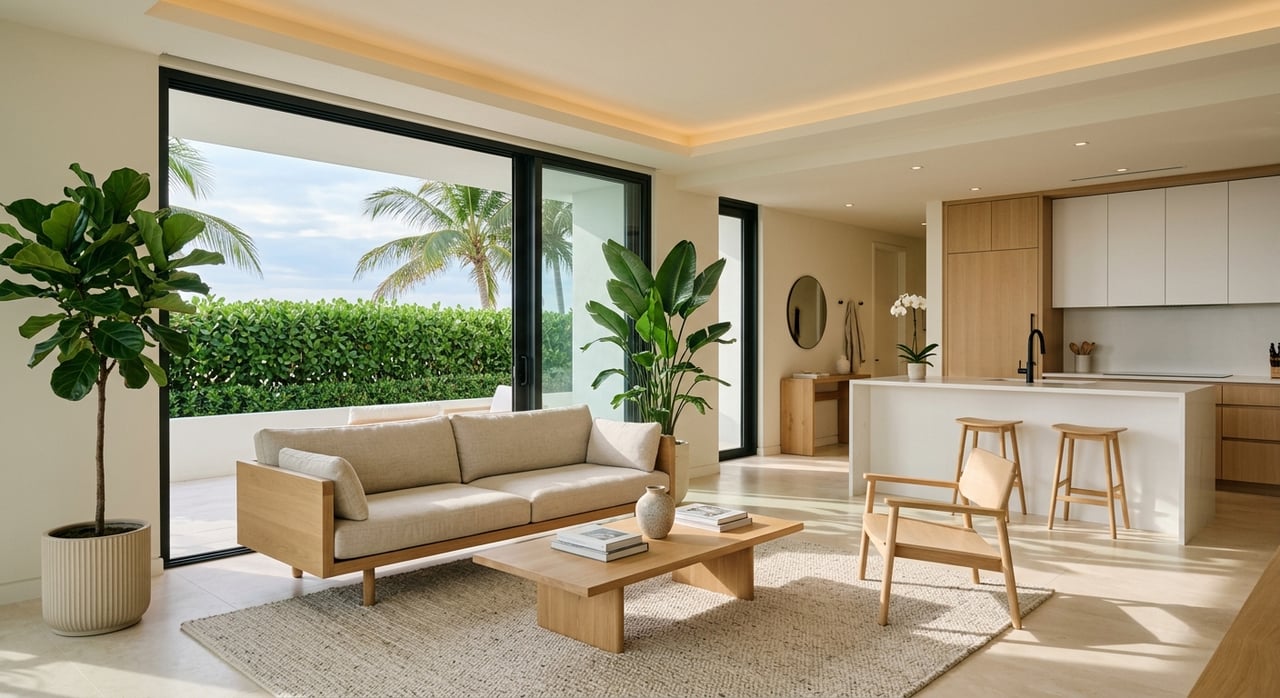
Highland Beach Seasonal Rentals: Smart Owner Basics
April 23, 2026
April 23, 2026
Thinking about renting out your Highland Beach condo for the season? It can be a smart way to generate income, but it is not as simple as furnishing the unit and posting a listing. In Highland Beach, seasonal rentals sit at the intersection of town rules, condo association requirements, state licensing, and county tax obligations. If you want to do it right, this guide will help you understand the basics, avoid common missteps, and plan your next move with more confidence. Let’s dive in.
In Highland Beach, the legal starting point is understanding when a rental becomes a regulated vacation rental. The town defines a transient public lodging establishment as a property rented more than three times in a calendar year for periods of less than 30 consecutive days or one calendar month, whichever is less, or one that is advertised as regularly rented to guests, according to the Town of Highland Beach vacation rental registration form.
That matters because shorter stays can trigger a different set of rules than longer leases. If you are planning a winter rental strategy, your lease length, your advertising, and your building’s own rental rules all shape what is allowed.
Before you think about pricing or marketing, review your condo declaration, bylaws, and house rules. The town specifically states that condo and HOA owners must verify that short-term rentals are allowed in their community documents before operating a vacation rental, as noted on the Highland Beach registration form.
This step is especially important because each building can have its own minimum lease period, guest approval procedures, pet rules, parking limits, and occupancy standards. A condo in Highland Beach may be attractive for seasonal use, but the building’s governing documents still control what you can actually do.
Florida law allows condo associations to charge an approval fee only when approval is required by the governing documents, and that fee is capped at $150 per applicant. The law also allows a prospective lessee security deposit of up to one month’s rent if the condo documents authorize it, under Florida Statute 718.112.
In practical terms, that means your tenant may need to complete a building application and wait for written approval before move-in. If you are planning a seasonal lease, build that timing into your schedule.
If your condo falls into the vacation-rental category, Highland Beach requires town approval before operation. The town’s application also requires proof of the state and county registrations needed to operate legally, plus a sample lease agreement, according to the vacation rental registration form.
At the state level, the Florida Department of Business and Professional Regulation licenses whole-unit condo vacation rentals as Vacation Rental - Condominium properties. At the county level, Palm Beach County requires transient rental operators to handle tourist tax obligations and obtain a Short-Term Rental Local Business Tax Receipt for each Tourist Development Tax account.
One detail owners and buyers sometimes miss is that Highland Beach does not treat the local vacation-rental certificate as something that stays with the unit forever. The town states that a change of ownership invalidates the prior certificate, and the new owner must submit a new application and pass inspection, based on the town’s registration requirements.
If you are buying a condo with the idea of seasonal renting, do not assume the prior owner’s setup transfers automatically. It does not.
Palm Beach County says transient accommodations rented for six months or less are subject to a 6% Tourist Development Tax, in addition to state sales tax, according to the county tax collector. The county also states that hosts, not booking platforms, are responsible for collecting and remitting that tax.
This is one of the clearest reasons to define your lease structure carefully. A seasonal stay may sound straightforward, but the legal treatment can shift based on the rental term and how the property is used or advertised.
Highland Beach requires a written or online lease for each vacation-rental tenancy. The lease must include the maximum number of occupants, the parking spaces associated with the unit, the names and ages of all occupants, the occupancy dates, and a statement that occupants must evacuate if authorities issue an evacuation order, according to the town’s form and requirements.
The town also requires a responsible party to be available by phone 24 hours a day, 7 days a week, and able to address issues within two hours when needed. You can appoint an agent, but you still remain responsible for compliance.
A good seasonal lease should do more than meet the minimum legal standard. It should clearly address building access, parking, guest limits, association procedures, and any required move-in or move-out steps. Clear expectations help protect your property and reduce friction during the rental period.
That is especially valuable in condo buildings, where a smooth tenant experience often depends on coordination with front desks, management teams, and association processes.
Seasonal renters usually want a furnished, easy-to-live-in space. From a compliance standpoint, Florida’s DBPR requires the unit to be clean, safe, and in good physical condition. If you provide bedding and linens, they must be clean, properly stored, and changed between guests or at least weekly, and dishes and glassware must be sanitized between guests or supported by a compliant notice, according to the DBPR vacation rental guide.
For many owners, that points to a simpler, more durable setup. A polished but low-clutter furnishing plan tends to be easier to maintain than a highly personalized owner-use layout.
Highland Beach adds a specific operational checklist. The town requires working smoke and carbon monoxide alarms, a portable fire extinguisher on each floor, clean and lighted egress areas, railings where needed, parking compliance, and applicable pool or spa safety measures, based on the town registration form.
The unit must also display certain notices, including contact information for the owner or agent, occupancy limits, waste pickup days, vehicle limits, quiet hours, an evacuation map, sea turtle nesting and lighting notice, and nearby hospital and urgent-care information. These are not optional finishing touches. They are part of operating legally.
If your condo is in a taller building, maintenance documentation can play a bigger role. The DBPR guide says Vacation Rental - Condominium licensees generally need a balcony inspection certificate every three years unless the balconies and stairs are common elements, according to the state guide.
For oceanfront and high-rise owners, that is another reason to stay current on building records and association maintenance.
Palm Beach County has a clear winter tourism pattern, and that can support stronger seasonal rental demand. Discover The Palm Beaches reported 10.6 million visitors in fiscal year 2024-2025 and described Thanksgiving as the start of high season.
Visitor survey data also showed that December was the most common visit month, with February and March also peaking. Together, those three months accounted for 45% of reported visits, and 33% of visitors stayed seven nights or more, according to the Palm Beach County tourism visitor survey.
Florida Realtors notes that rents in Florida often rise during the winter when snowbirds return and soften in summer. In an April 2025 article on seasonal demand, the association said beach-area rents can rise 20% to 50% during the November through April snowbird period, while summer demand often brings discounts or concessions.
That is statewide guidance, not a Highland Beach-specific pricing chart. Still, it lines up with Palm Beach County’s visitor seasonality and gives owners a useful framework for planning rate strategy.
If you want a clean starting point, here is a practical order of operations:
This sequence follows the town’s requirements, Florida licensing guidance, and Palm Beach County tax rules.
Seasonal renting in Highland Beach can work well, but success usually comes from preparation, not improvising. The owners who do best tend to treat leasing like an operational system. They check the documents first, build the lease correctly, stay current on safety items, and line up help for inspections, communication, and turnover.
If you are weighing whether to rent, buy with rental potential in mind, or position your condo more strategically, local guidance can make the process much smoother. If you want thoughtful advice on Highland Beach condos, seasonal leasing strategy, or positioning your property for the market, connect with Michelle Sadownick for a private consultation.

When you work with Michelle, she consistently goes the extra mile to provide the highest level of service while building strong relationships, and is genuinely excited to help you achieve your real estate goals.
900 E Atlantic Ave #18 Delray Beach, FL 33483