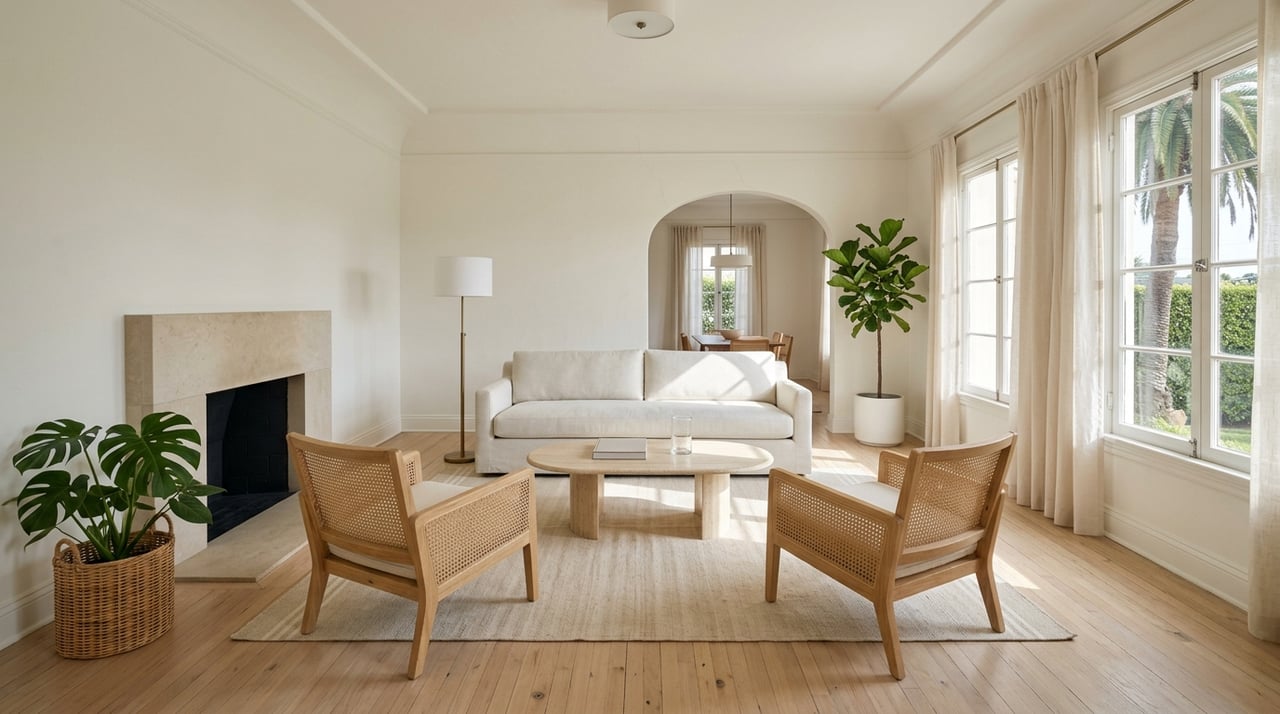
Historic Swinton Home Staging That Appeals to Buyers
April 2, 2026
April 2, 2026
Thinking about selling a historic Swinton-area home? The biggest challenge is usually not whether your home has character. It is how to present that character in a way today’s buyers can instantly understand. With the right staging approach, you can highlight original details, make rooms feel brighter and more functional, and avoid updates that may create extra review steps. Let’s dive in.
Homes near the Swinton corridor and Delray Beach’s historic areas often appeal to buyers because they offer something newer homes cannot replicate. According to the City of Delray Beach, the nearby Old School Square Historic District includes parts of Swinton Avenue and reflects architecture and history from 1898 to 1943. That setting gives many homes a sense of place that buyers notice right away.
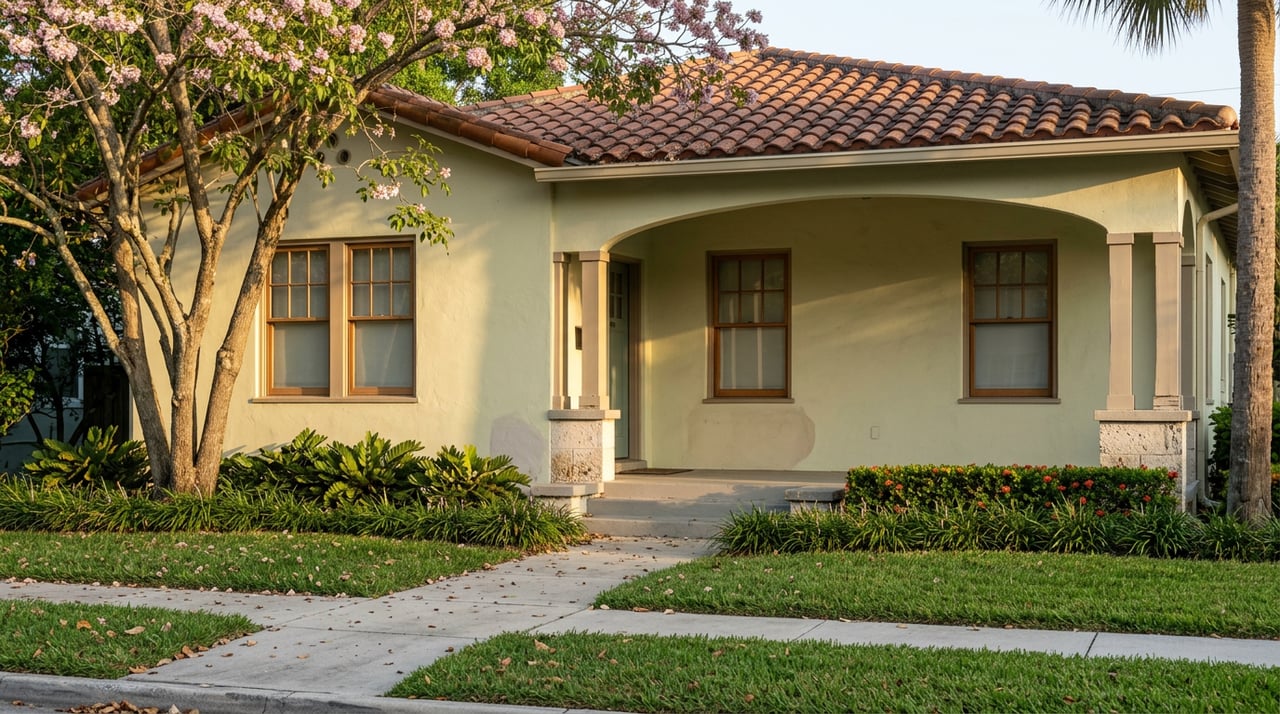
At the same time, historic homes usually have smaller room sizes, more defined layouts, and original features that deserve to stay visible. Delray’s preservation guidelines describe many local historic homes as wood-frame or masonry vernacular properties with porches, raised foundations or piers, sash or casement windows, and simple rooflines with restrained ornament. That means staging should support the home’s proportions, not fight them.
Staging is not just about making a home look pretty. It helps buyers picture how they would live in the space, and it can improve both buyer interest and marketability.
The 2025 NAR staging survey found that 29% of agents saw a 1% to 10% increase in offered value when homes were staged, and 49% said staging reduced time on market. Buyers’ agents most often pointed to the living room, primary bedroom, and kitchen as the rooms that matter most.
For sellers in the broader 33444 market, presentation matters even more in a balanced environment. Research cited for the area shows a March 2026 median listing price of $795,000, 78 median days on market, and a 95% sale-to-list ratio. In a market where buyers have options, your home’s first impression can shape how quickly and how confidently they respond.
In a historic Swinton home, the goal is not to modernize away the charm. The goal is to make the architecture easy to read.
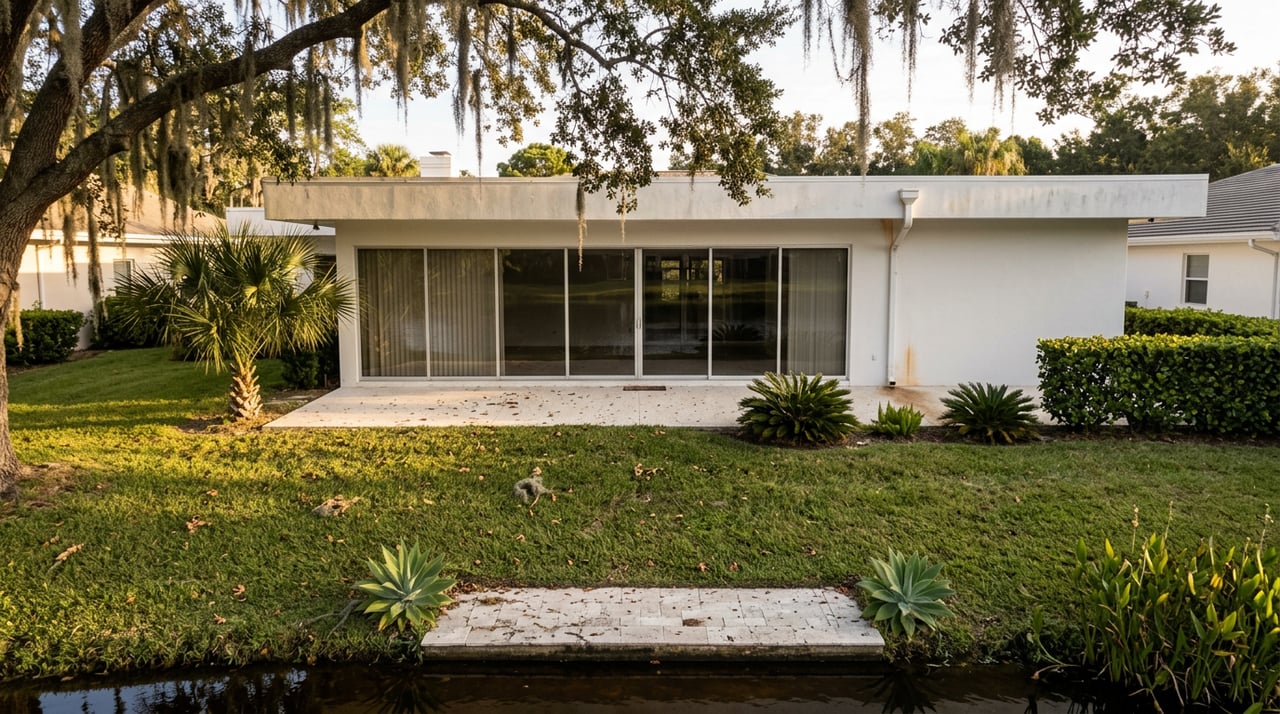
That starts with scale. Oversized sectionals, bulky dining sets, and heavy drapery can block windows, hide trim, and make circulation feel tight. A better approach is to use furnishings that fit the home’s original proportions so porches, moldings, room flow, and natural light remain visible in person and in listing photos.
This is especially important in homes with original sash or casement windows, narrower rooms, and defined entries. Delray’s design guidelines support preserving these character-defining elements, so your staging should help buyers notice them instead of distracting from them.
Historic homes tend to feel best when you can see from one feature to the next. If a porch line, window wall, or original trim detail is a selling point, avoid placing furniture that interrupts that visual rhythm.
Use fewer pieces with cleaner profiles. Leave enough breathing room around doors, windows, and walkways so buyers can move easily through the house and understand how each room functions.
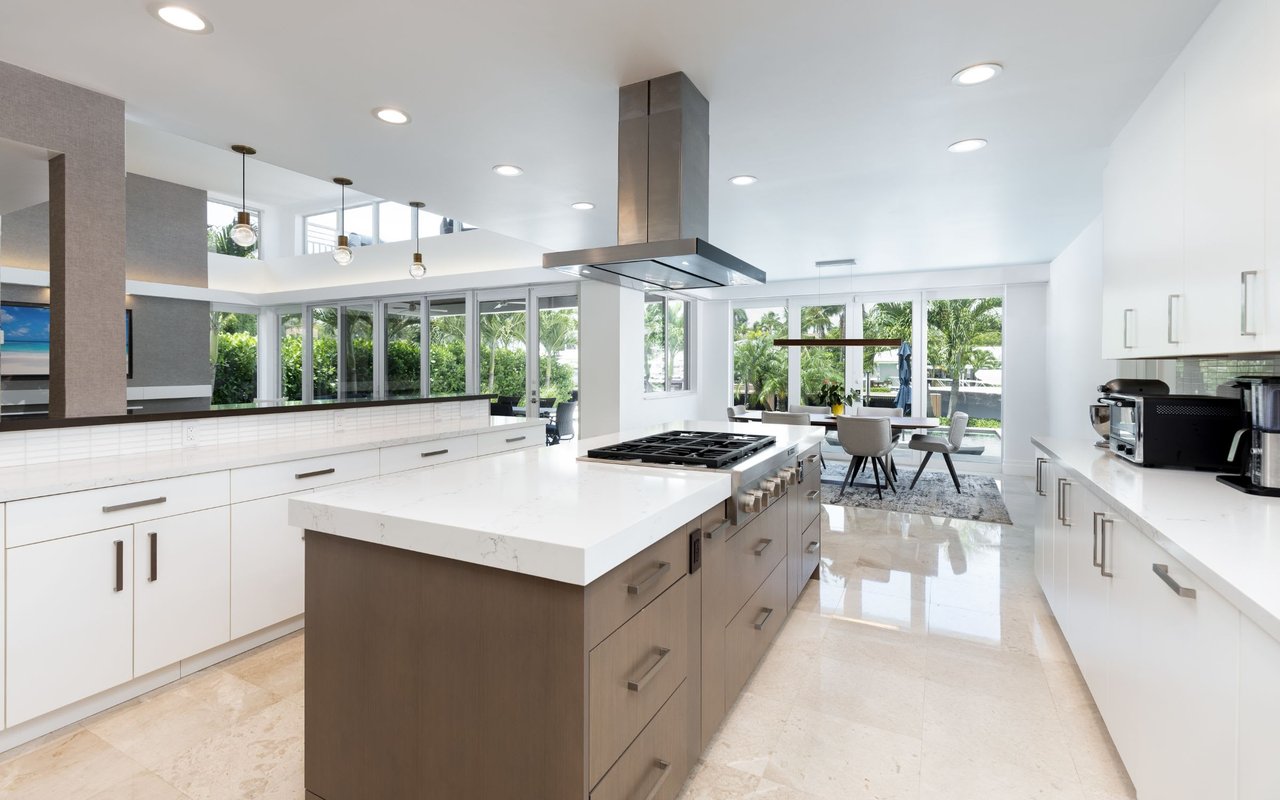
Many older homes feel warmer and more inviting when windows are unobstructed. Heavy curtains and dark finishes can make already modest rooms look smaller.
Instead, keep window treatments light and simple. A clean, bright presentation helps buyers focus on the home’s texture, materials, and proportions rather than on what the room may lack compared to a newer build.
If you want the best return for your effort, start with the areas buyers tend to judge first. Based on the NAR survey, these are the top priorities:
For a historic home, these priorities are especially useful because they improve the buyer experience without requiring major changes. You are showing buyers that the home is well cared for, comfortable, and move-in ready while still respecting its original design.
Historic homes often benefit from subtraction more than addition. If a room feels crowded, buyers may assume the home lacks space, even when the layout works well.
Remove extra chairs, side tables, large lamps, and decor that compete with architectural details. A lighter touch makes original trim, windows, doors, and ceiling lines easier to appreciate.
Older homes can include flexible spaces that are not obvious at first glance. A small sunroom, enclosed porch, or bonus nook needs a clear purpose so buyers do not see it as wasted square footage.
Give each space one simple identity, like reading area, breakfast nook, or home office. That helps buyers connect the home’s vintage layout to modern living.
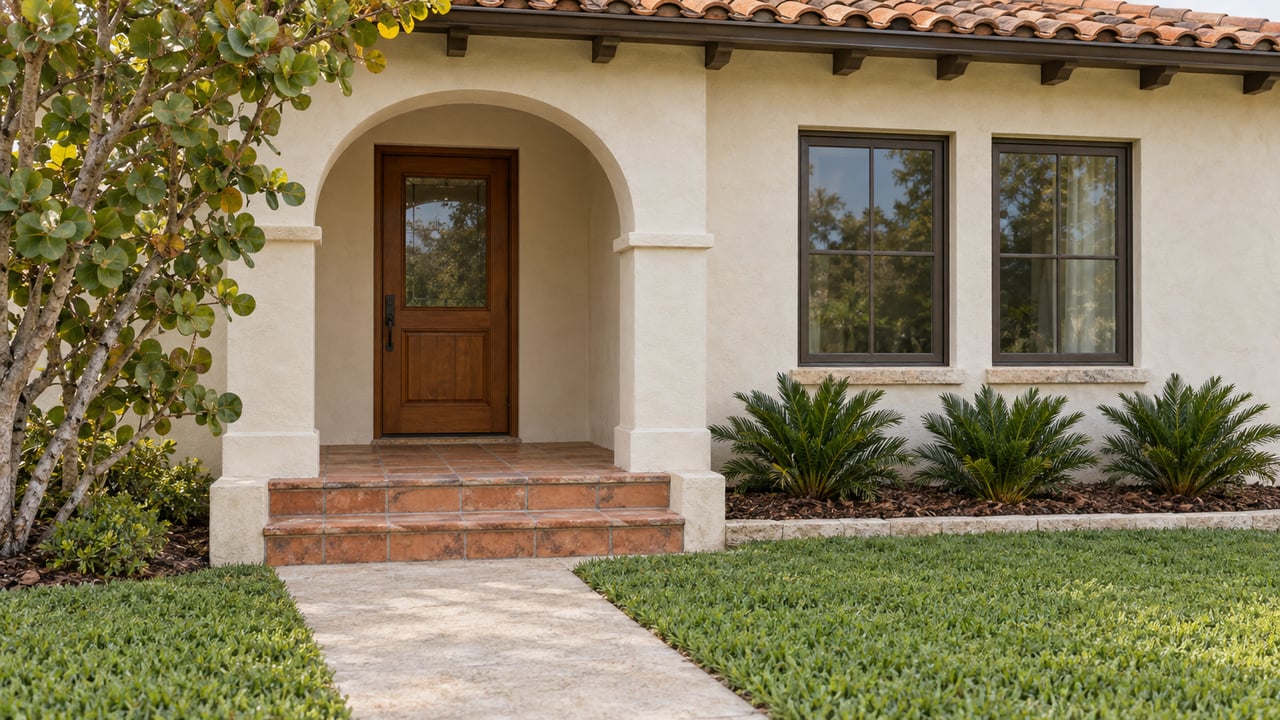
The outside of the home sets the tone before buyers ever walk in. NAR found curb appeal was one of the most common seller recommendations, and that is just as true for historic properties.
In Delray’s historic areas, exterior refreshes should be thoughtful. The city’s preservation guidelines note that paint-color changes require approval, and features like fences, walls, site lighting, windows, roofs, and additions may also need staff or board review depending on scope. Before making exterior changes, it is smart to review the guidelines and consult the city early.
Many historic Delray homes feature porches as an important design element. These spaces can create an emotional connection with buyers before they even step inside.
Keep porch furniture minimal and appropriately scaled. A simple seating arrangement, fresh cleaning, and a clear path to the front door can make the home feel welcoming without overwhelming the architecture.
When preparing a historic home for market, think repair first. Delray’s guidelines favor preserving original materials, especially windows and other historic fabric, rather than replacing them unnecessarily.
That means the smartest updates are often practical, not flashy. Focus on cleaning, repainting where appropriate and approved, repairing damaged wood or masonry in kind, and addressing maintenance that makes the home feel neglected.
If your original windows are still present, the city’s guidelines generally support retaining and repairing them. The guidance recommends cleaning and repainting, repairing frames and sash in kind, and avoiding replacement styles or finishes that change the historic appearance.
For sellers, that often means window repair is a better first move than full replacement. It preserves character, avoids unnecessary design mismatch, and may save you from spending money where buyers will not see the same return.
Trying to make a historic home feel brand new can backfire. Buyers who are drawn to Swinton-area homes are often responding to the very details that make them different.
Avoid pre-listing choices that hide or distort the original architecture, such as:
Delray’s guidelines are clear that additions should be secondary to the main house, set behind the established front plane, and remain compatible in size, scale, massing, materials, and roof form. They should not create a false sense of historical development.
Usually, interior staging itself does not require approval. The City of Delray Beach states that interior alterations are generally at the owner’s discretion, unless the interior was specifically designated.
That said, staging and construction are not the same thing. If your listing prep includes exterior alterations, paint-color changes, new windows, additions, or other work that may require a Certificate of Appropriateness, you should confirm the rules before starting. The city recommends consulting the Historic Preservation Planner early in the process.
The best staging plan for a historic home is usually simple. Clean thoroughly, declutter aggressively, furnish lightly, and make the home’s original features easy to see.
Then pair that presentation with thoughtful marketing that tells the home’s story. In a place like Delray Beach, where historic character and lifestyle often go hand in hand, buyers respond to homes that feel both authentic and easy to live in.
If you are preparing a historic home for sale in the Swinton area, thoughtful design guidance can help you decide what to stage, what to repair, and what to leave alone. For tailored advice and a concierge-level selling strategy, connect with Michelle Sadownick.

When you work with Michelle, she consistently goes the extra mile to provide the highest level of service while building strong relationships, and is genuinely excited to help you achieve your real estate goals.
900 E Atlantic Ave #18 Delray Beach, FL 33483