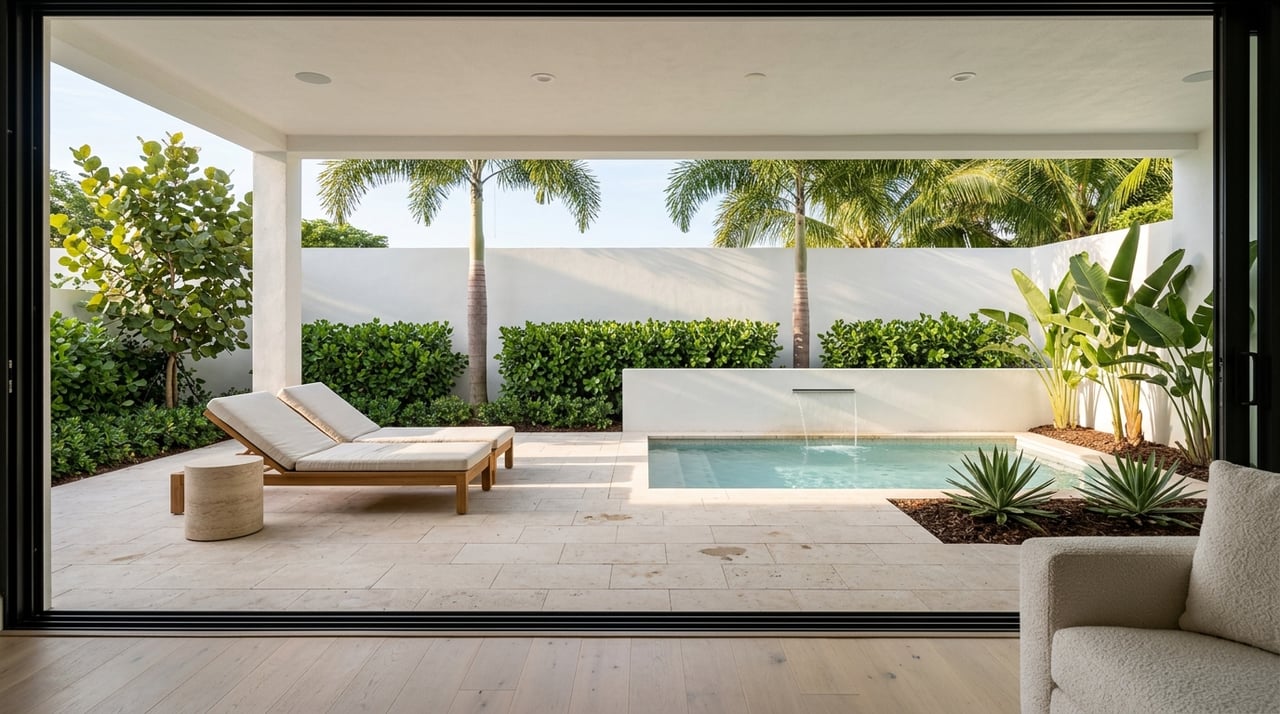
Boynton Beach Condo vs House for Your Second Home
May 7, 2026
May 7, 2026
If you are dreaming about a second home in Boynton Beach, the biggest question may not be whether to buy, but what to buy. A condo can give you an easy seasonal setup, while a house can offer more privacy, space, and control. The right choice depends on how you plan to live, what level of upkeep feels comfortable, and how you want your costs and responsibilities to look over time. Let’s dive in.
Boynton Beach has the kind of mix that appeals to many seasonal and second-home buyers. The city highlights waterfront dining, shopping, entertainment, a municipal beach, 29 parks, nine recreation centers, and Boynton Harbor Marina.
It also offers practical convenience for part-time living. The city cites direct access to I-95 and the Florida Turnpike, a Tri-Rail station, and proximity to major seaports and airports, which can make getting in and out much easier when you are not living here full time.
This is also not a market that exists only for seasonal visitors. Census QuickFacts shows a 2024 population estimate of 83,095, an owner-occupied housing rate of 64.7% for 2020 through 2024, and a median owner-occupied housing value of $351,100. That points to a city with a meaningful year-round owner base, which can matter when you are looking for stability and long-term value in a second-home purchase.
For most second-home buyers in Boynton Beach, the real decision is about lifestyle and operating style. Do you want a more hands-off property that is easier to leave for weeks or months at a time, or do you want more room and freedom, even if that means more direct responsibility?
A condo often fits buyers who want a lock-and-leave home base. A house often fits buyers who want more privacy, outdoor space, parking flexibility, and direct control over changes and upkeep.
Neither option is automatically better. The better fit is the one that matches how often you will visit, whether you may rent it at times, and how involved you want to be in maintenance decisions.
A condo can be a strong second-home choice if convenience is your top priority. In Florida, the condominium association is responsible for maintaining common elements, and the association must use its best efforts to maintain adequate property insurance.
That shared structure can be appealing if you want a simpler seasonal routine. Instead of handling every exterior issue yourself, many major common-area obligations are managed through the association.
For many buyers, that means less stress when they are away. If you want to come down for the season, enjoy the beach, marina, dining, and nearby amenities, then lock the door and leave, condo living may feel like the smoother option.
In Boynton Beach, the condo decision is not just about monthly dues. It is also about building condition, reserve funding, insurance, and whether the association has kept up with Florida’s current requirements.
Florida requires milestone inspections for condominium and cooperative buildings that are three habitable stories or more by age 30. Local enforcement can require the first inspection by age 25 when coastal conditions justify it.
Existing owner-controlled associations in qualifying buildings had to complete a structural integrity reserve study by December 31, 2025. Budgets adopted on or after December 31, 2024 generally cannot waive or underfund required reserve items. Sale contracts entered after December 31, 2024 must also disclose whether required milestone inspections or reserve studies are complete.
That means your condo review should go well beyond finishes and views. You want to understand how the building is being run, what work may be coming, and whether future costs feel manageable for your goals.
Before you buy a condo for a second home, ask to review:
Florida law treats these items as part of the association’s official records, and reserve studies and inspection reports must be retained for years after completion. For you as a buyer, that creates a clearer paper trail to review before closing.
A single-family house can be the better fit if you want more breathing room and more freedom. You may prefer a private yard, extra parking, more storage, or outdoor living space that feels distinctly your own.
A house can also make more sense if you care about direct control. If you want to make updates, manage landscaping your way, or create a more personalized seasonal retreat, a house usually gives you more flexibility than a condo.
That extra freedom comes with more responsibility. Roof care, landscaping, drainage, insurance coordination, storm preparation, and general upkeep become part of your ownership plan rather than something shared through an association.
For houses in Boynton Beach, flood and permit diligence matter. The city requires permits for development in Special Flood Hazard Areas, and new construction or substantial improvements of residential structures in the floodplain must have the lowest floor elevated to base flood elevation plus one foot.
Elevation Certificates are also part of the permit record and must be submitted before occupancy. If you are buying a house near the coast or in a lower-lying area, these details can affect both risk and future project planning.
If you are considering occasional seasonal rentals, local rules also deserve a close look. Boynton Beach requires short-term rental registration if a property is rented more than three times per year for periods under 30 days, and operators must first obtain a Florida DBPR vacation rental license before applying with the city.
The city also has parking rules effective February 1, 2026 that prohibit parking in yards, swales, or on the street, with a short-term-rental parking exception tied to the approved license. If rental flexibility is part of your second-home plan, you will want to confirm both city rules and any property-specific restrictions early.
Many second-home buyers ask if a condo gets better tax treatment than a house. In Palm Beach County, the bigger distinction is not condo versus house. It is homestead versus non-homestead.
The Palm Beach County Property Appraiser states that homestead exemption is for a permanent legal residence. A second home, vacation home, rental property, vacant land, and commercial property fall under the non-homestead category.
The 10% non-homestead assessment cap applies to all taxing-authority millage rates except school board millage, and the property is reassessed at full market value after a sale. Other taxes and non-ad valorem assessments can still change the total bill.
So if you are comparing a Boynton Beach condo and a Boynton Beach house as second homes, they are usually in the same broad property-tax category. The more useful comparison is total carrying cost and risk profile.
The smartest second-home decision usually comes down to your all-in operating picture. Purchase price matters, but it is only one part of the story.
For a condo, pay close attention to dues, reserve funding, insurance structure, and any history of special assessments. For a house, pay close attention to insurance, flood exposure, maintenance, landscaping, and storm-readiness costs.
For either property type, look at the full picture:
This is where a second-home purchase becomes less about headlines and more about fit. Two properties with similar list prices can feel very different once you compare annual carrying costs and management needs.
If you are still torn, ask yourself a few practical questions. Your answers usually point clearly in one direction.
In Boynton Beach, both condos and houses can work beautifully as second homes. The right answer depends on whether you value convenience or control more, how often you will use the property, and how carefully you want to manage maintenance, flood exposure, rental rules, and long-term carrying costs.
That is why a thoughtful buying process matters so much here. When you match the property type to your real lifestyle, not just the listing photos, your second home tends to feel easier, smarter, and more enjoyable from day one.
If you want help comparing condos, houses, or seasonal-use properties in Boynton Beach and across Palm Beach County, Michelle Sadownick offers the kind of local guidance, design perspective, and high-touch service that can help you make a confident choice.

When you work with Michelle, she consistently goes the extra mile to provide the highest level of service while building strong relationships, and is genuinely excited to help you achieve your real estate goals.
900 E Atlantic Ave #18 Delray Beach, FL 33483