Tropic Isle Boating Guide for Delray Waterfront Buyers
July 9, 2026
July 9, 2026
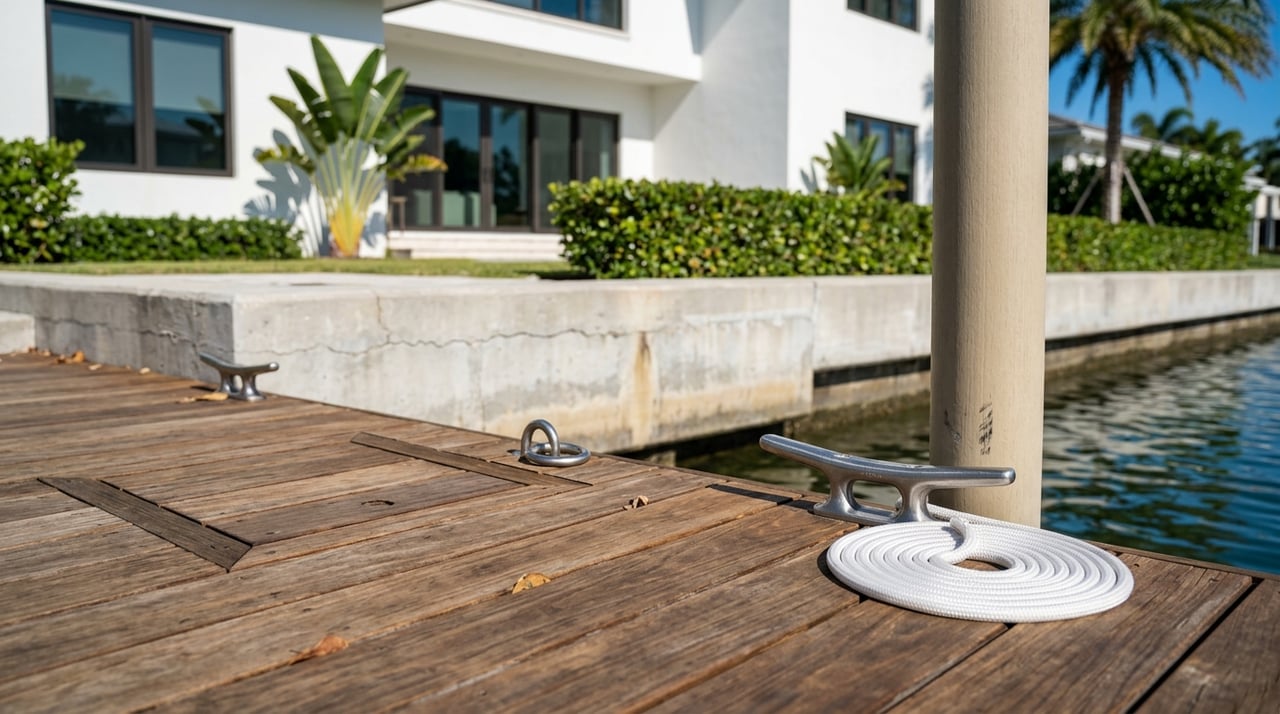
Picture this: you buy a waterfront home in Tropic Isle, bring your boat down for the first weekend, and then realize the real story is not just the dock behind the house. It is the route to the Intracoastal, the bridge clearances along the way, the condition of the seawall, and how the property handles water over time. If you are dreaming about boating life in Delray Beach, this guide will help you look past the postcard view and focus on what matters most before you buy. Let’s dive in.
Tropic Isle is a waterfront neighborhood in east Delray Beach, immediately east of Federal Highway, with Linton Boulevard to the north, the Intracoastal Waterway to the east, and the C-15 Canal to the south. City materials describe about 5.75 miles of roadways in the neighborhood, which helps explain its connected canal layout and boating-friendly feel.
For buyers, that layout matters because Tropic Isle functions like a true waterfront neighborhood rather than a single road along the water. Many homes are positioned around canal access and private docking, which makes boating part of daily life instead of an occasional perk.
Current neighborhood guides and listings consistently describe Tropic Isle as a deep-water, ocean-access boating community. In practical terms, that often means private docks, direct access to the Intracoastal, and a wide range of waterfront setups depending on the property.
When you see “ocean access” in a listing, it helps to pause and ask a few more questions. In Tropic Isle, access can be excellent, but the details of your route still shape how easy ownership feels.
A home may have a dock and lift, but your day on the water also depends on bridge clearances, drawbridge timing, inlet choice, and your boat’s height and draft. Those factors can change which homes are the best fit for the vessel you already own or plan to buy.
NOAA’s Coast Pilot lists several nearby bridge clearances along this stretch of the Intracoastal Waterway:
These numbers matter because air draft can limit your route even when you have water behind the house. A lower-profile boat may move through more easily, while a taller vessel may require more careful planning around both fixed clearances and draw openings.
Tropic Isle sits between two common inlet options. One current listing describes the location as roughly 7.5 miles south to Boca Inlet and 8.5 miles north to Boynton Inlet, which gives buyers a useful real-world frame of reference.
That in-between location can be appealing because it gives you options. At the same time, NOAA notes that both Boca Raton Inlet and Boynton Inlet can be dangerous and require experience, local knowledge, and attention to conditions such as shoaling, currents, and vessel type.
For buyers, the takeaway is simple: “easy ocean access” is real here, but it is not automatic. Your preferred inlet, boating habits, and comfort level on changing water conditions should be part of your home search from day one.
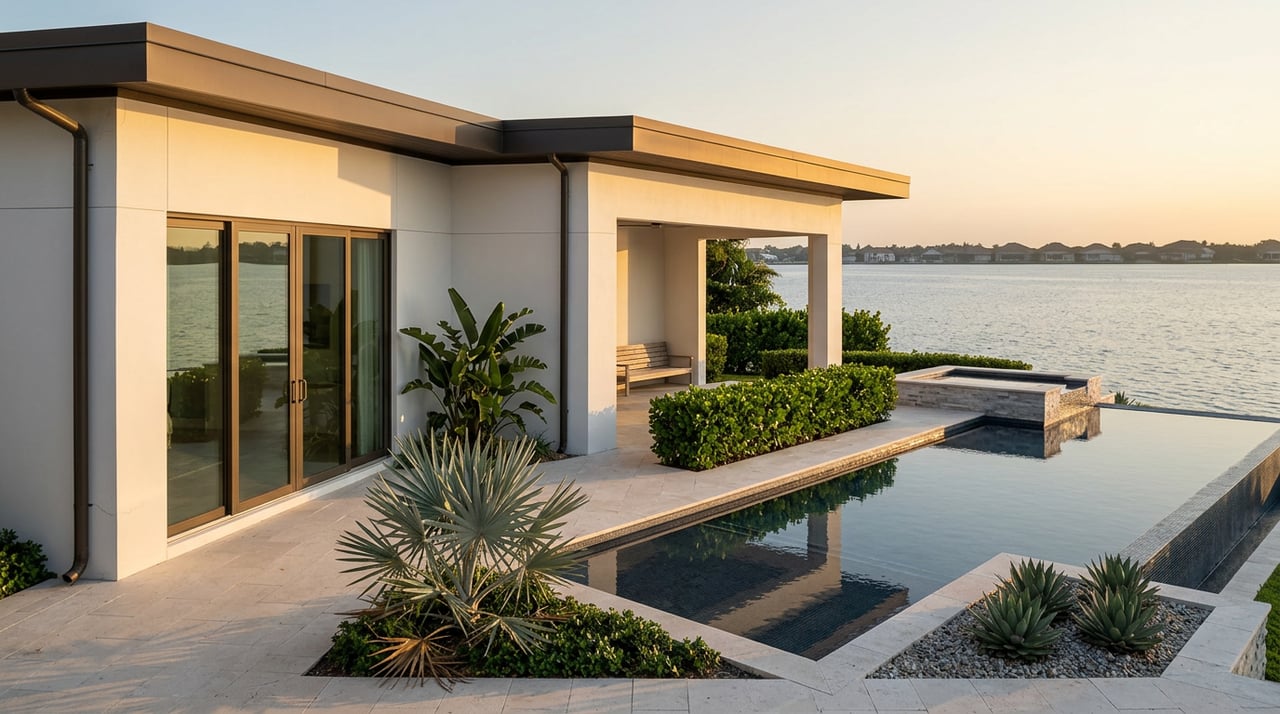
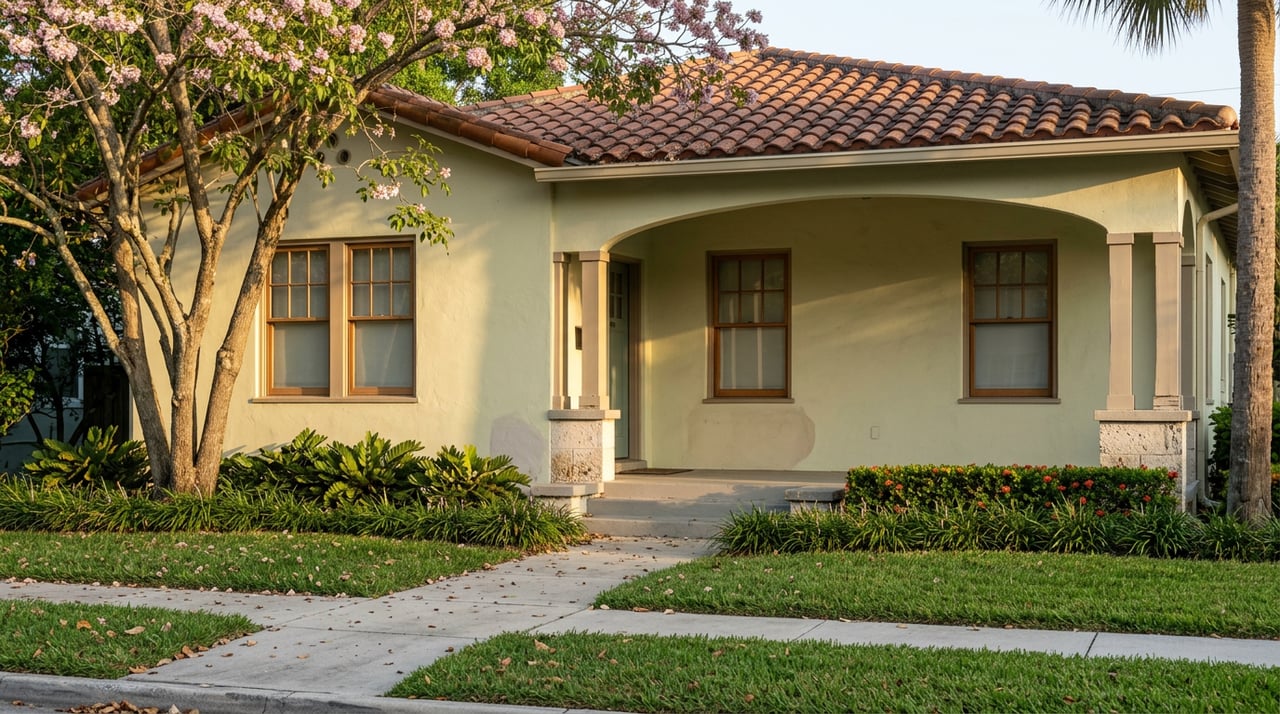
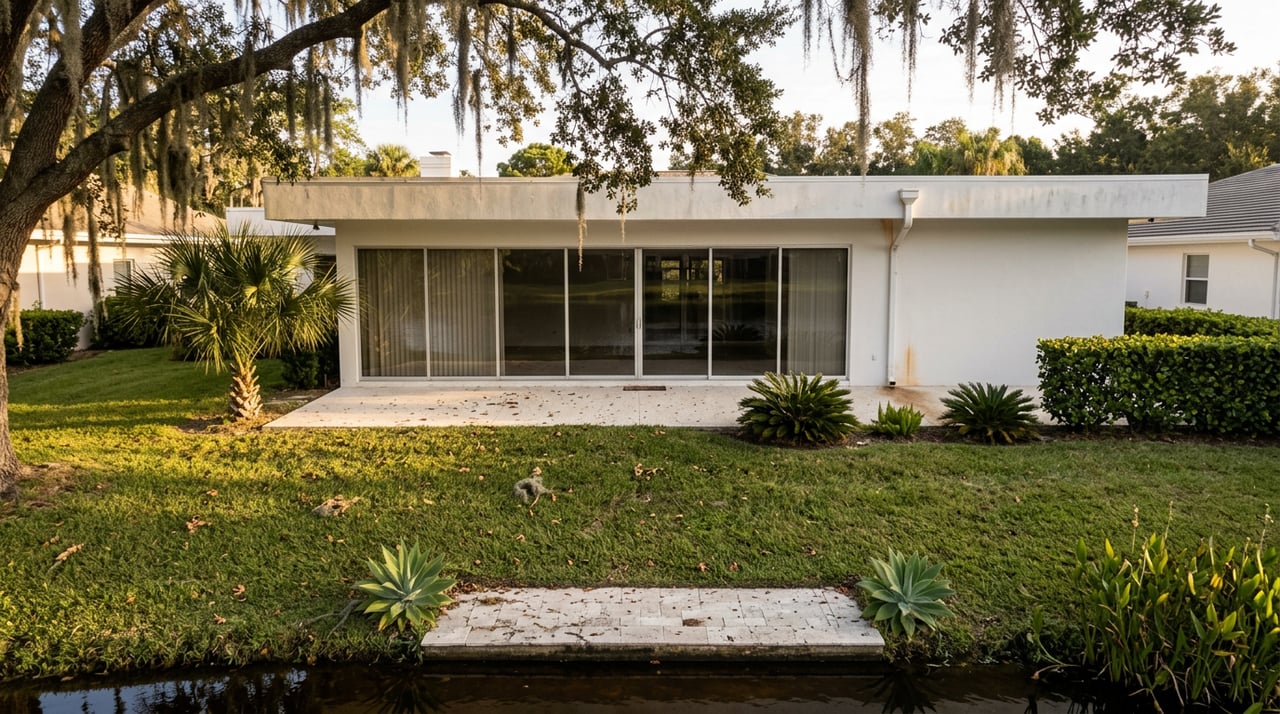
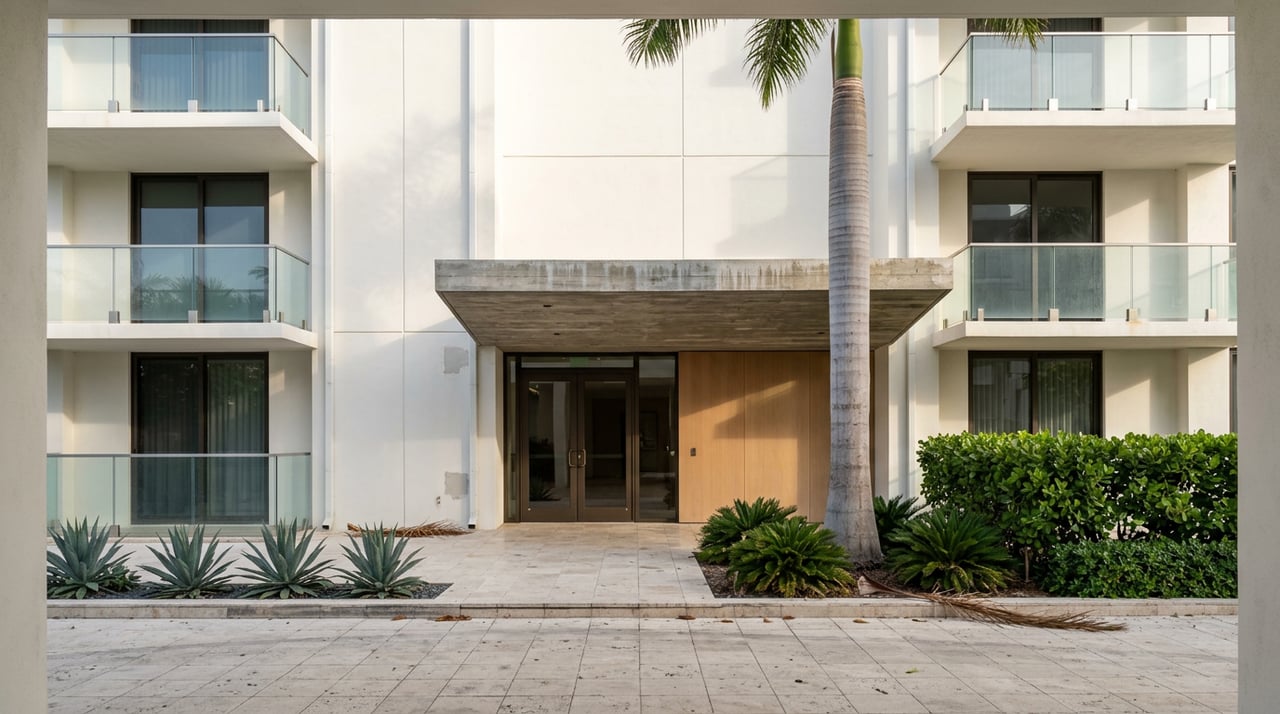
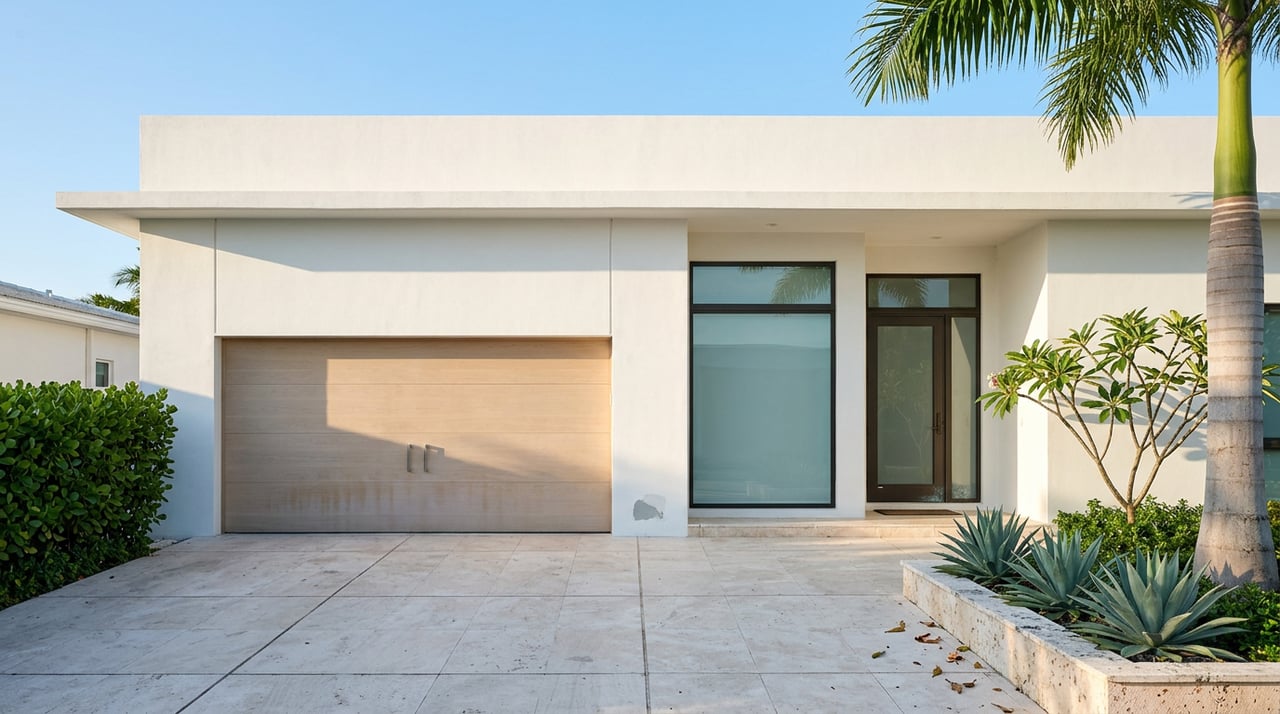
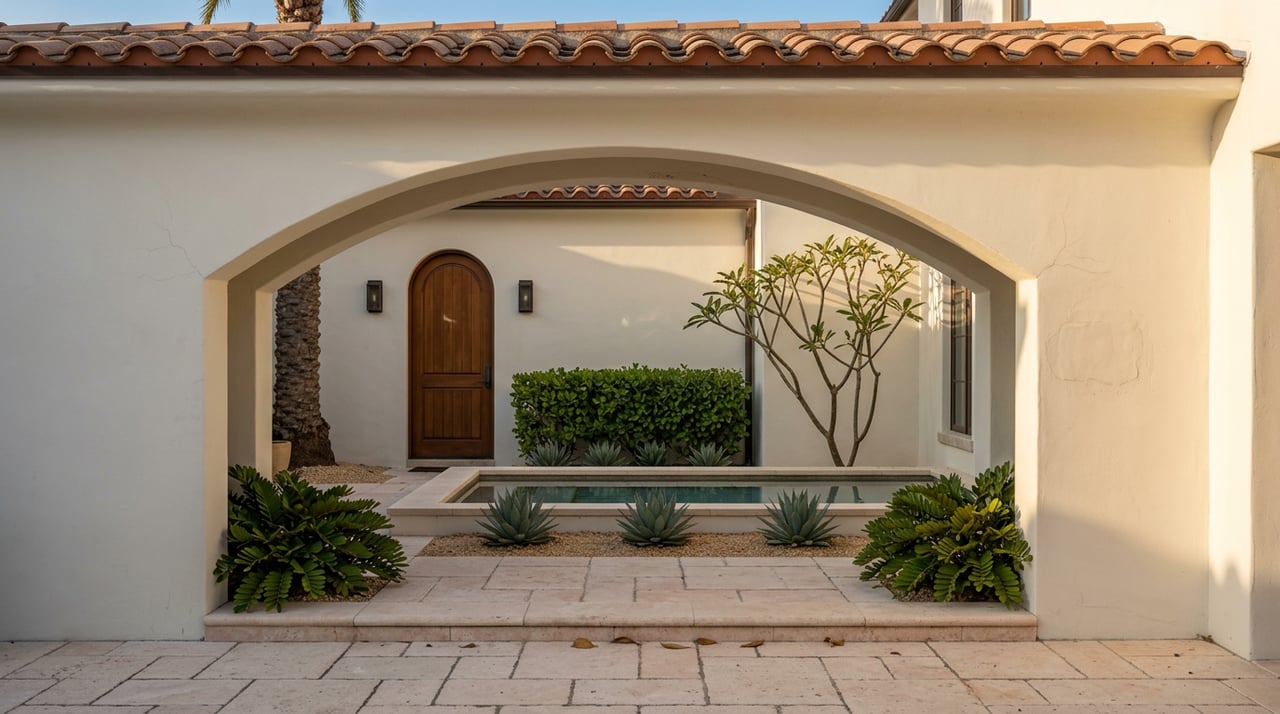
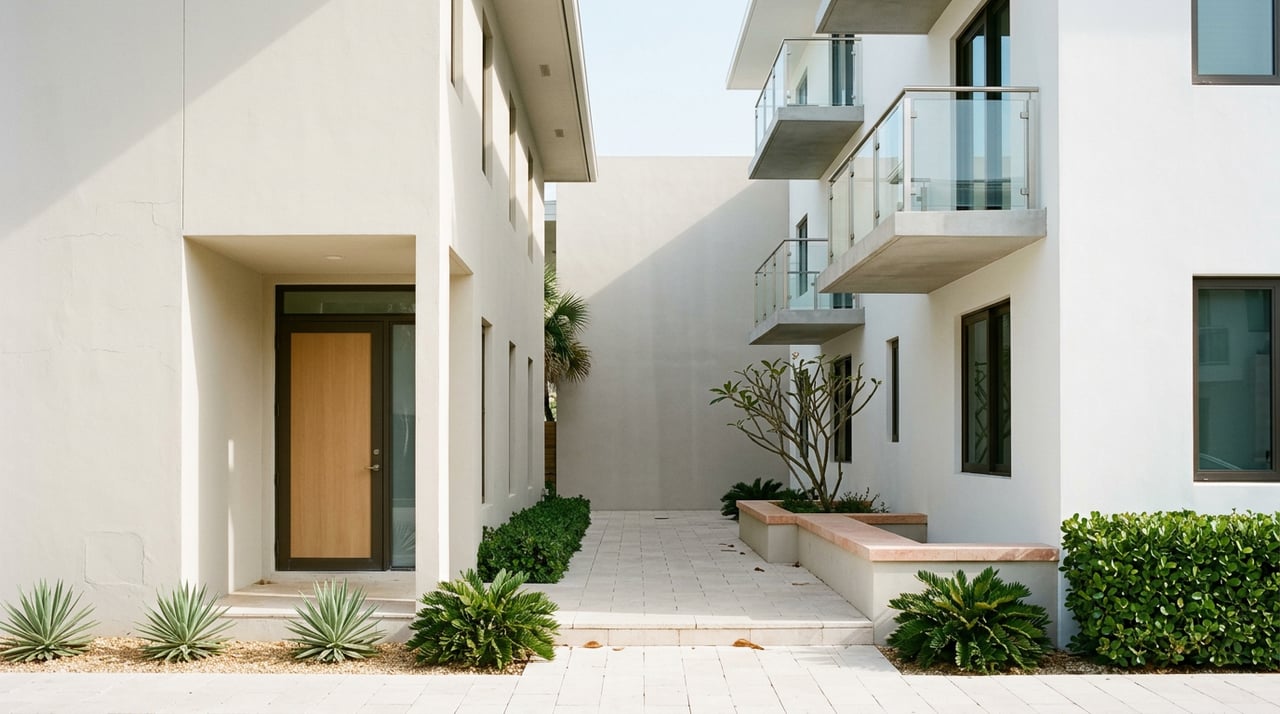
One of Tropic Isle’s strengths is variety. The neighborhood includes a mix of Spanish Revival, coastal contemporary, Art Deco, pastel ranch homes, and condo options such as Tropic Bay and Tropic Harbor.
That range creates different entry points for buyers. You may find an older canal-front home that needs updates, a renovated property with improved dockage, or a newer waterfront estate designed around larger boats and outdoor living.
Current listings show a broad range of boating features, including:
This mix is one reason Tropic Isle appeals to different types of buyers. A casual weekend boater may focus on simple dock access and lift convenience, while a more serious owner may care more about dock length, turning room, seawall updates, and frontage.
In a neighborhood like Tropic Isle, the seawall is not a background detail. It is a major part of the property’s function, maintenance picture, and long-term ownership costs.
Delray Beach’s seawall ordinance requires a permit before erecting, constructing, or altering a seawall or bulkhead. The application must include detailed plans and a plot plan prepared and sealed by a Florida-registered professional engineer.
The city also sets a minimum seawall elevation standard of 4.0 feet NAVD88 for new tidal flood barriers and substantial repairs. Property owners are responsible for maintaining seawalls that fail to protect public health, safety, welfare, or navigability.
That means you should treat the seawall with the same seriousness as the roof, foundation, or dock system. A beautiful backyard view does not tell you whether the shoreline improvements were done correctly or whether repairs may be coming.
Tropic Isle’s waterfront appeal comes with real water-management considerations. City project materials say the neighborhood’s streets were built on muck and loosely consolidated soils and that the area is susceptible to flooding from high tides, king tides, and projected sea-level rise.
The city’s planned response includes roadway elevation work, stormwater improvements, and backflow preventers on drainage outfalls. For a buyer, this is important because it shows that water movement, drainage, and elevation are part of everyday ownership in the neighborhood.
That does not mean you should rule out the area. It means you should buy with clear eyes and make sure your due diligence covers not only the house and dock, but also how the site interacts with water over time.
Delray Beach also regulates docks. City rules say a dock may be permitted subject to conditions including setbacks, a limit of one fixed dock per waterfront lot, and a ladder extending below the mean low waterline.
Floating docks are allowed only when properly permitted and attached to a fixed dock, finger pier, mooring pilings, or seawall. At the state level, Florida DEP says waterfront projects may require authorization for docks, seawalls, riprap, or shoreline stabilization, and some work may also require an Environmental Resource Permit.
Palm Beach County notes that multiple agencies may have jurisdiction over a site, and Delray Beach processes building permits through its eServices portal. In short, a dock or seawall is not something you want to assume was handled correctly just because it is already there.
Before you move forward on a waterfront purchase, ask questions like these:
These questions can help you avoid surprises after closing. They also help you compare homes more accurately, especially when two waterfront properties look similar on paper but function very differently for a boater.
A standard home inspection is important, but it may not be enough for a boating property. Because seawalls, docks, lifts, and shoreline work involve engineering and permitting considerations, it is wise to think beyond the house itself.
Based on the city and state guidance, buyers should strongly consider having the seawall, dock, and lift reviewed by qualified professionals such as a licensed marine contractor, marine surveyor, or engineer before closing. That added step can give you a clearer picture of condition, functionality, and possible repair needs.
The best Tropic Isle purchase is not always the biggest dock or the newest house. It is the property that fits how you actually plan to use the water.
If you enjoy relaxed Intracoastal cruising, a lower-maintenance dock setup may be enough. If you plan to head offshore often, bridge clearances, inlet routines, lift capacity, and seawall condition become even more important.
You should also think about how much of your budget you want tied up in updates. Some buyers prefer a newer waterfront home with a new seawall and dock already in place, while others are comfortable buying an older property and improving it over time.
Tropic Isle can be a wonderful fit if boating is central to your lifestyle, but it rewards buyers who look closely at the details. Waterfront frontage, dock length, canal position, route planning, and shoreline condition can all shape the ownership experience.
That is why local guidance matters so much here. A neighborhood-first advisor can help you look beyond the listing photos and evaluate how a home lives, not just how it looks.
If you are considering a purchase in Tropic Isle, Michelle Sadownick can help you navigate the waterfront details, compare property options, and find a home that truly fits your boating lifestyle.

When you work with Michelle, she consistently goes the extra mile to provide the highest level of service while building strong relationships, and is genuinely excited to help you achieve your real estate goals.
900 E Atlantic Ave #18 Delray Beach, FL 33483