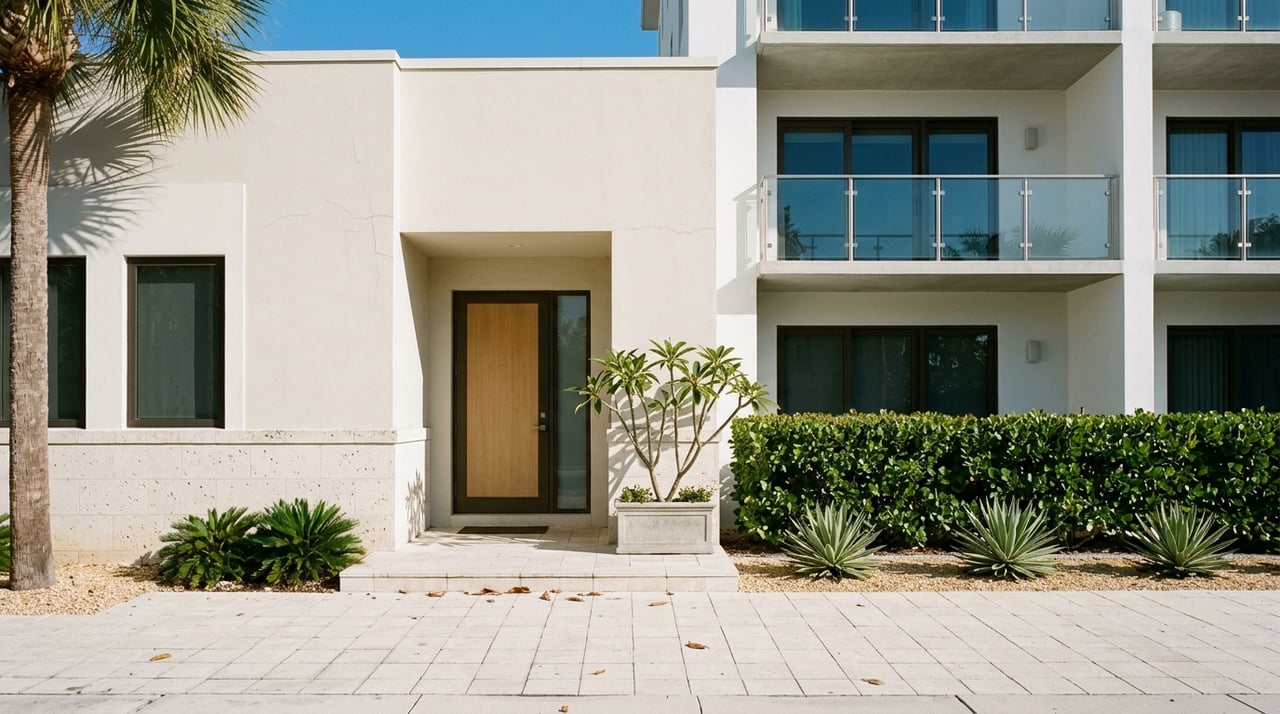
Condo Vs Townhome Near Atlantic Avenue In Delray
July 2, 2026
July 2, 2026
Trying to choose between a condo and a townhome near Atlantic Avenue? In Downtown Delray Beach, that decision affects more than square footage. It shapes how you park, how you handle maintenance, how close you feel to the beach and downtown, and what your monthly costs may look like over time. If you want a clearer way to compare the two, this guide will walk you through the practical tradeoffs that matter most. Let’s dive in.
Downtown Delray Beach offers a compact coastal setting where walkability often becomes part of the value. Atlantic Avenue runs to Delray Municipal Beach at its east end, and the city supports downtown access with public garages, lots, on-street parking, and Freebee service in and around historic downtown.
That means your choice is not just about the home itself. It is also about how you want to live day to day. If you picture walking to dinner, reaching the beach quickly, or relying less on your car, location near Atlantic Avenue can make a condo or townhome feel very different from the same property type elsewhere.
A condo and a townhome can look similar from the outside, but the ownership structure is often very different. In Florida, a condominium means you own your unit and also share ownership of the common elements with other owners.
That legal setup matters because it helps determine who maintains what and how expenses are shared. Condo associations handle common elements and association property, and condo budgets must include reserve accounts for major deferred-maintenance items such as roof replacement, building painting, and pavement resurfacing.
Many townhome-style communities in Florida are governed by Chapter 720. Those communities can also have assessments, budgets, official records, and architectural rules. In other words, a townhome near Atlantic Avenue is not automatically a low-maintenance option, because the real answer depends on the community’s governing documents.
For many buyers, maintenance is the biggest dividing line. A condo often appeals to buyers who want more shared responsibility for exterior and common-area upkeep, especially if they plan to use the property seasonally or prefer a more lock-and-leave lifestyle.
A townhome may offer more direct control over your space, but that does not always mean less complexity. The declaration and HOA documents decide whether you or the association handle items like roofs, exterior walls, driveways, patios, landscaping, and other exterior elements.
This is why labels can be misleading. Before you compare monthly fees alone, you need to compare what those fees actually cover.
A lower purchase price does not always mean a lower cost of ownership. Near Atlantic Avenue, your ongoing costs may include association dues, reserve funding, assessments, parking needs, and insurance considerations.
For condos, reserve funding is especially important because Florida law requires reserve accounts for major deferred-maintenance items. In older multi-story coastal buildings, buyers should also pay attention to inspection and reserve-study requirements that may influence future costs.
For townhomes, assessments can still be significant depending on the community’s budget and maintenance responsibilities. A lower HOA payment may simply mean more owner responsibility, not necessarily lower total expense.
If you are considering an older condo building near the coast, Florida’s condo safety rules deserve close attention. For residential condominium buildings that are three habitable stories or higher, milestone inspections are due at 30 years of age and every 10 years after that, or at 25 years in certain saltwater-adjacent circumstances.
The structural integrity reserve study must also be completed at least every 10 years. Existing unit-owner-controlled associations were required to complete these studies by the state deadlines outlined in law, and applicable reports are part of the official records available to potential purchasers.
For you as a buyer, this means condo due diligence is not optional. It is one of the most important parts of evaluating an older building near Downtown Delray.
Parking is one of the most overlooked parts of this decision, yet it affects your daily experience immediately. Downtown Delray has public parking options, but not every property provides residential parking.
If a building or community does not provide parking, the city’s Downtown Resident Parking Permit currently costs $90 plus tax per year. It is valid only in designated garages and surface lots, and it is not valid on-street or east of the Intracoastal.
That is why buyers should confirm whether parking is deeded, assigned, attached, or permit-dependent. A condo with one secure assigned space may fit your lifestyle better than a townhome without clear parking rights, or the reverse could be true depending on how often you drive.
Lifestyle often comes down to how you use space when you are not inside. If you want a balcony for morning coffee, a patio for outdoor dining, or direct ground-level access, do not assume either property type guarantees it.
Under Florida condo law, common elements are shared property, while limited common elements are reserved for the use of specific units. That means a balcony, terrace, patio, garage space, or storage area may not always be owned the way you expect.
Townhome-style communities may offer more direct outdoor access, but that still depends on the site plan and governing documents. Near Atlantic Avenue, where indoor-outdoor living is part of the appeal, this detail is worth careful review.
Near Atlantic Avenue, carrying costs are shaped by coastal conditions as much as by the property itself. The City of Delray Beach notes that its coastal geography makes it vulnerable to tidal flooding, storm surge, and heavy rainfall.
The city also states that homeowners insurance does not cover flood damage. In low-lying areas, king tides can create nuisance flooding, which means flood insurance and mitigation costs should be part of your budget planning whether you buy a condo or a townhome.
This is one reason two homes with similar asking prices can feel very different financially over time. A smart comparison looks beyond the mortgage and into the full coastal ownership picture.
If you value shared maintenance, building-managed common areas, and a more streamlined seasonal or part-time ownership experience, a condo may be the better fit. This can be especially appealing if your priority is easy access to downtown and the beach with fewer exterior chores on your plate.
If you value direct entry, potentially more separation from neighbors, or outdoor areas that feel more connected to daily living, a townhome may suit you better. But the only way to know for sure is to look closely at the actual documents, not just the property label.
In Downtown Delray, the best choice is usually the one that matches your real routine. Think about how you park, how often you travel, how much maintenance you want to manage, and how important outdoor space is to you.
A careful review upfront can save you stress later. Whether you are buying for full-time living, seasonal use, or investment, these questions can help you compare options near Atlantic Avenue.
Near Atlantic Avenue, condo versus townhome is really a question of ownership style, maintenance expectations, and day-to-day convenience. A great property on paper can feel less appealing if parking is inconvenient, outdoor space is limited, or future costs are unclear.
When you evaluate both options through the lens of Downtown Delray living, the right answer becomes more personal and more practical. You are not just buying a property type. You are choosing how you want your life near Atlantic Avenue to work.
If you want help comparing condos and townhomes in Downtown Delray Beach with a local, design-minded perspective, schedule a private consultation with Michelle Sadownick.

When you work with Michelle, she consistently goes the extra mile to provide the highest level of service while building strong relationships, and is genuinely excited to help you achieve your real estate goals.

900 E Atlantic Ave #18 Delray Beach, FL 33483