Florida Condo Milestone Inspections for Boca Raton Buyers
November 21, 2025
November 21, 2025
Thinking about a Boca Raton condo with ocean views or a walkable downtown lifestyle, but unsure what “milestone inspections” mean for you? You’re not alone. These inspections exist to keep residents safe and protect buildings, but they can also impact your budget, mortgage options, and timeline. In this guide, you’ll learn what milestone inspections and reserve studies cover, how to read the reports, the most common issues in Boca high‑rises, and the smart steps to protect your purchase. Let’s dive in.
Milestone inspections are periodic structural evaluations of condo buildings performed by licensed engineers or architects. Florida and many local jurisdictions strengthened requirements after the 2021 Surfside tragedy to identify issues early and plan repairs before they become emergencies. The goal is simple: reduce risk to residents and avoid costly surprises.
Timing and triggers vary by jurisdiction and building type. Some programs reference inspections at certain building ages and then on a set cycle, but there is no single statewide schedule you can assume. In Palm Beach County and Boca Raton, verify the current rules and timelines with the City of Boca Raton Building Division and the Palm Beach County Building Department. If an inspection flags a building, it can set repair deadlines, require permits, and lead to fines or limits on occupancy until hazards are fixed.
For you as a buyer, these inspections influence more than safety. They can affect your monthly HOA dues, special assessments, insurance costs, and even loan approval. If a report lists urgent repairs without a plan or budget to complete them, that is a material risk. On the other hand, a building with timely repairs and healthy reserves often offers more predictability and buyer confidence.
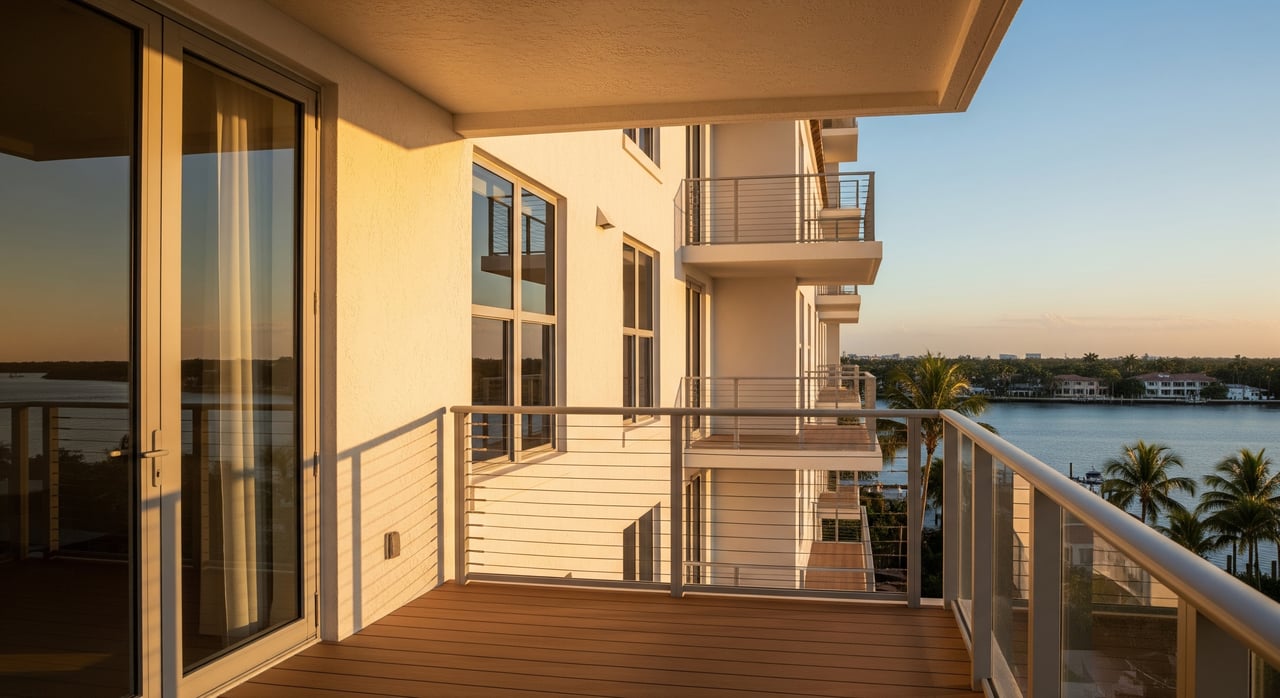
Expect a close look at the exterior concrete, balconies, parapets, beams, columns, and load‑bearing walls. Inspectors evaluate waterproofing, glazing, and facade systems that protect the structure from water intrusion and corrosion. Where needed, they may use non‑destructive testing or core samples to confirm conditions.
Parking structures and garage decks receive attention due to wear, cracking, and possible structural concerns. Roof membranes, flashings, and rooftop equipment supports are checked, along with site drainage and waterproofing that can impact the structure below.
Elevators and stairwells are reviewed for life‑safety implications tied to structural performance. Reports typically include photos, mapped locations of findings, and professional certification with license details and date.
A reserve study complements the structural inspection by translating building needs into a funding plan. It inventories major components like the roof, elevators, balconies, parking deck, and common‑area equipment, then estimates remaining useful life, replacement costs, and recommended annual contributions.
Two metrics matter to you: the projected timeline of big expenses and how well the reserves are funded relative to the target. A low percent funded often signals higher assessment risk. Together, the milestone inspection and reserve study show near‑term repair urgency and long‑term financial readiness.
Coastal living is a privilege, but the environment is tough on buildings. In Boca Raton, salt‑laden air and humidity accelerate corrosion, while UV exposure and thermal cycling break down coatings and membranes. Storms and wind‑driven rain can worsen envelope leaks.
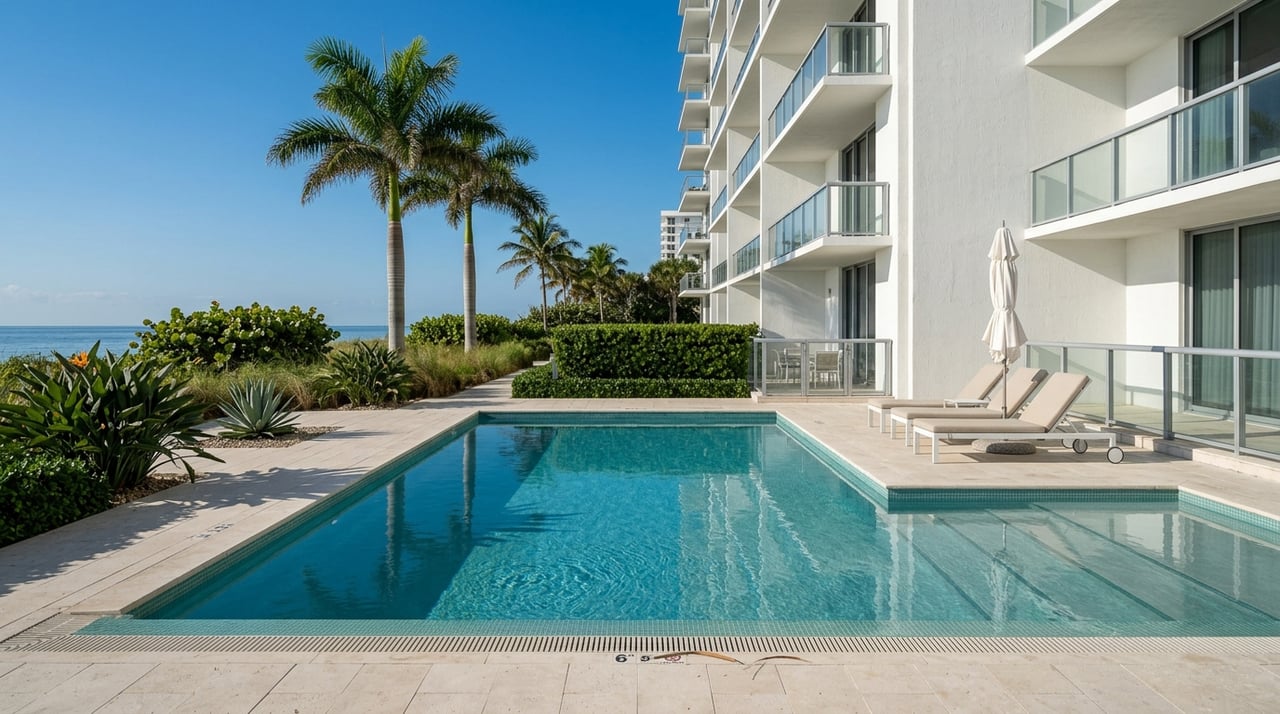
Frequent findings include concrete spalling and exposed rebar on balconies and exterior slabs, deterioration of parking decks, and waterproofing failures at windows, doors, and curtain walls. Roof membrane wear, corroded anchors or railings, and aging pool deck waterproofing are also common. These concerns can be expensive to fix and may trigger access limits to certain areas, higher HOA dues, special assessments, and, in some cases, tighter lending and insurance conditions for the building.
Locate the executive summary first. Note any Immediate or Urgent items and ask whether the work is completed. Request proof such as permits, paid invoices, and final inspections.
Read what was and was not inspected. Review photo evidence and mapped locations. Compare short‑term (1 to 5 years) and long‑term items with the cost estimates and any deadlines set by local officials.
Begin with the most serious items, then work down the list. Compare funding recommendations with actual reserve balances and planned contributions. If costs look significant relative to the building’s finances, consider an independent review by a licensed structural engineer and consult a Florida condo attorney before you proceed.
Gather as much documentation as possible before your inspection period ends.
Build protections into your offer so you can evaluate risk with clear deadlines.
Lenders may scrutinize or decline loans for units in buildings with unresolved life‑safety or structural issues, and project‑level problems can impact eligibility for certain government‑backed programs. Association insurance premiums and deductibles may rise after major findings or claims, which can increase monthly dues or one‑time assessments. Buildings facing large upcoming repairs can be tougher to resell, while communities that complete repairs and maintain solid reserves often hold value better and attract broader buyer interest.
Verification is essential because codes and enforcement practices evolve. Confirm the latest inspection schedules and any open orders with the City of Boca Raton Building Division and the Palm Beach County Building Department. Check professional licenses through the Florida Department of Business and Professional Regulation. Then, review building reports with a qualified engineer and a condo attorney if significant issues show up.
Choosing the right condo is about more than floor plans and views. It is about confidence in the building’s structure and finances. If you want a steady hand to guide the process, connect with a local advisor who understands both the lifestyle and the technical details that shape long‑term value.
Ready to evaluate Boca Raton buildings with clarity and care? Reach out to Michelle Sadownick for a Private Consultation. You will get concierge guidance, a vetted local network, and a step‑by‑step plan to protect your purchase and your peace of mind.
When you work with Michelle, she consistently goes the extra mile to provide the highest level of service while building strong relationships, and is genuinely excited to help you achieve your real estate goals.
900 E Atlantic Ave #18 Delray Beach, FL 33483