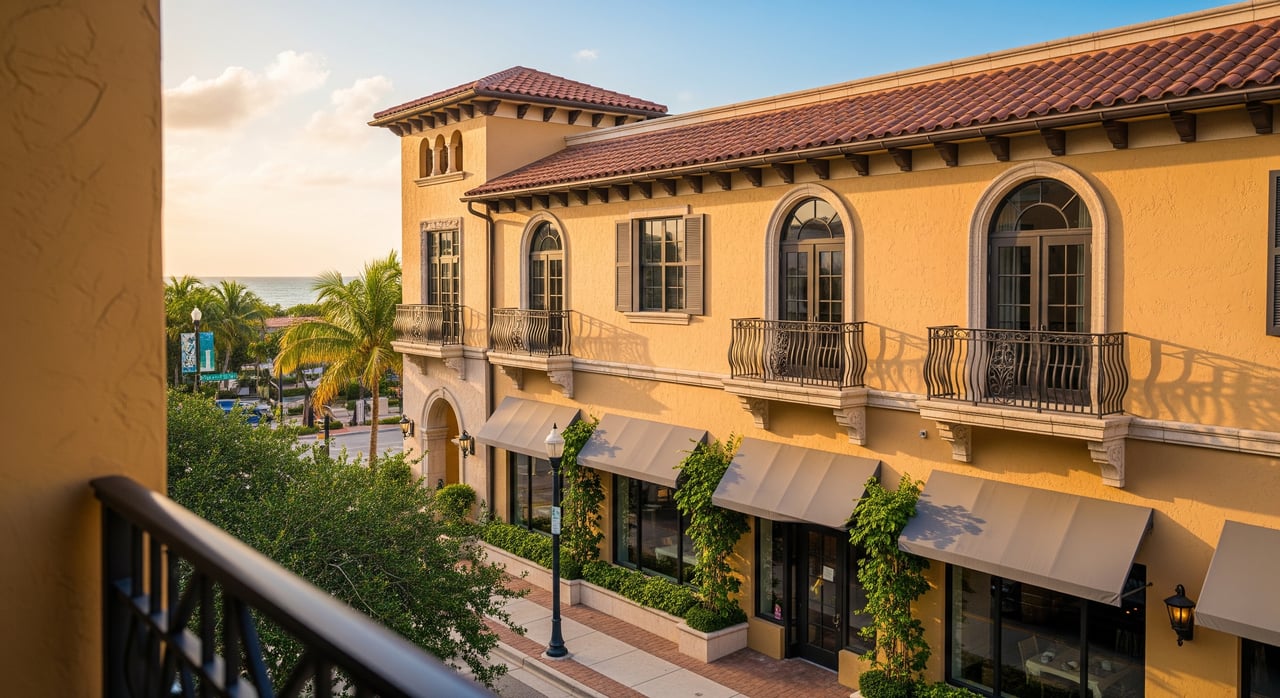
Experience Downtown Delray Beach Living by Atlantic Avenue
February 5, 2026
February 5, 2026
Imagine stepping out your front door and strolling to coffee, galleries, and the beach before lunch. That is the rhythm of life when you live near Atlantic Avenue in Downtown Delray Beach. Whether you are relocating or looking for a second home, you probably want a place that is lively by day, easy at night, and simple to lock and leave when you travel. In this guide, you will learn what day‑to‑day living feels like, the housing options near Atlantic Avenue, ownership costs to plan for, and practical tips for buyers and seasonal residents. Let’s dive in.
Atlantic Avenue is the heartbeat of Downtown Delray Beach. The main dining and entertainment stretch runs from Federal Highway to the ocean, so you can walk to restaurants, boutiques, and the beach in minutes if you live within a few blocks. The atmosphere is active and pedestrian‑friendly, with a mix of locals, seasonal residents, and visitors. Expect a lively, urban‑by‑the‑sea feel rather than a quiet suburb.
You will find casual beach cafés, seafood and sushi, gastropubs, and craft cocktail bars, plus several chef‑driven spots. Independent boutiques and galleries give the area a creative edge. Restaurants and bars stay open later on weekends and during high season, while daytime retail closes earlier. If you enjoy an evening scene, you will appreciate the options clustered in a compact walkable core.
Downtown’s cultural anchors include Old School Square and its Cornell Museum, Arts Garage for live music, and galleries throughout Pineapple Grove. They host concerts, exhibitions, theater, and classes year‑round. Seasonal festivals, weekend arts fairs, and a popular farmers market bring extra energy, especially during the winter months when the area sees a notable influx of snowbirds and visitors.
Delray Municipal Beach sits at the east end of Atlantic Avenue, making sun and sand an easy part of daily life. Small parks and greenspaces throughout downtown offer spots for a jog, a dog walk, or a quiet break. If you want a quick nature reset beyond the beachfront, nearby wetlands and preserves are a short drive away for birdwatching and low‑key outings.
Living near Atlantic Avenue means many errands are on foot. You can walk to coffee, fitness studios, salons, and small markets for everyday items. Full‑service supermarkets and big‑box stores are a short drive inland. You will also find clinics, dental offices, and other professional services close by, with larger medical centers in nearby Boca Raton and West Palm Beach. For most residents, day‑to‑day life feels simple and connected.
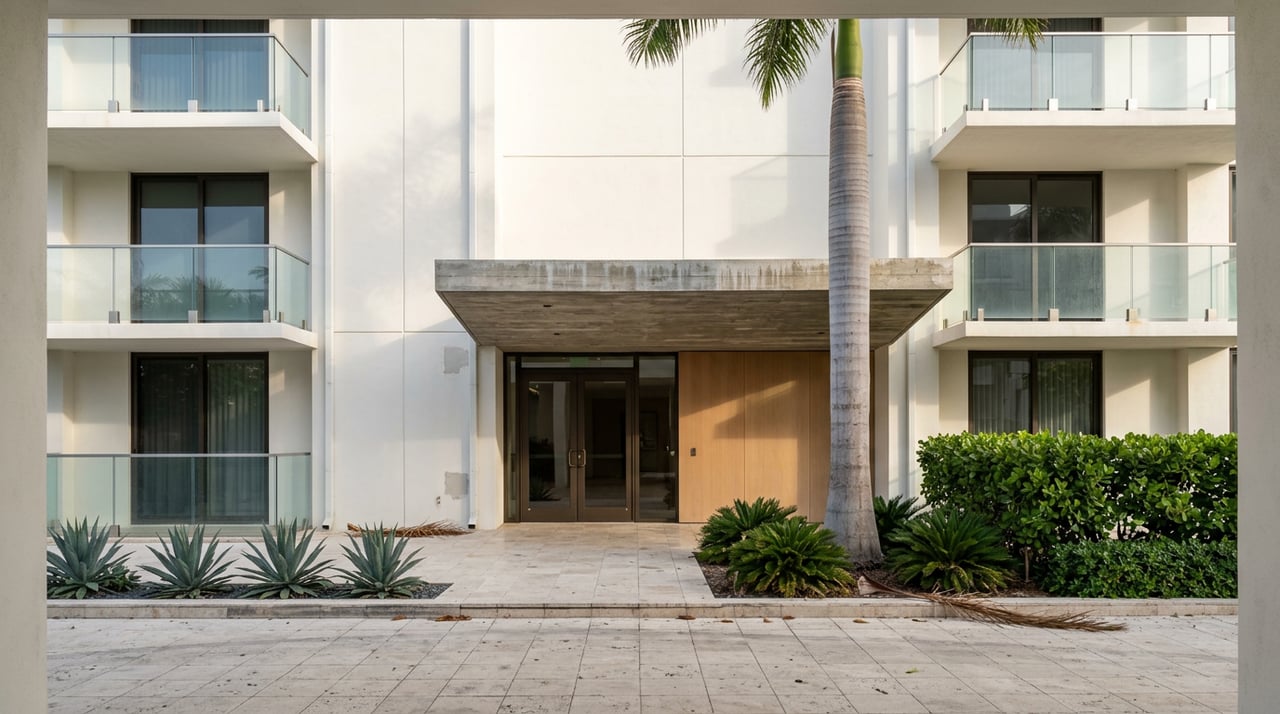
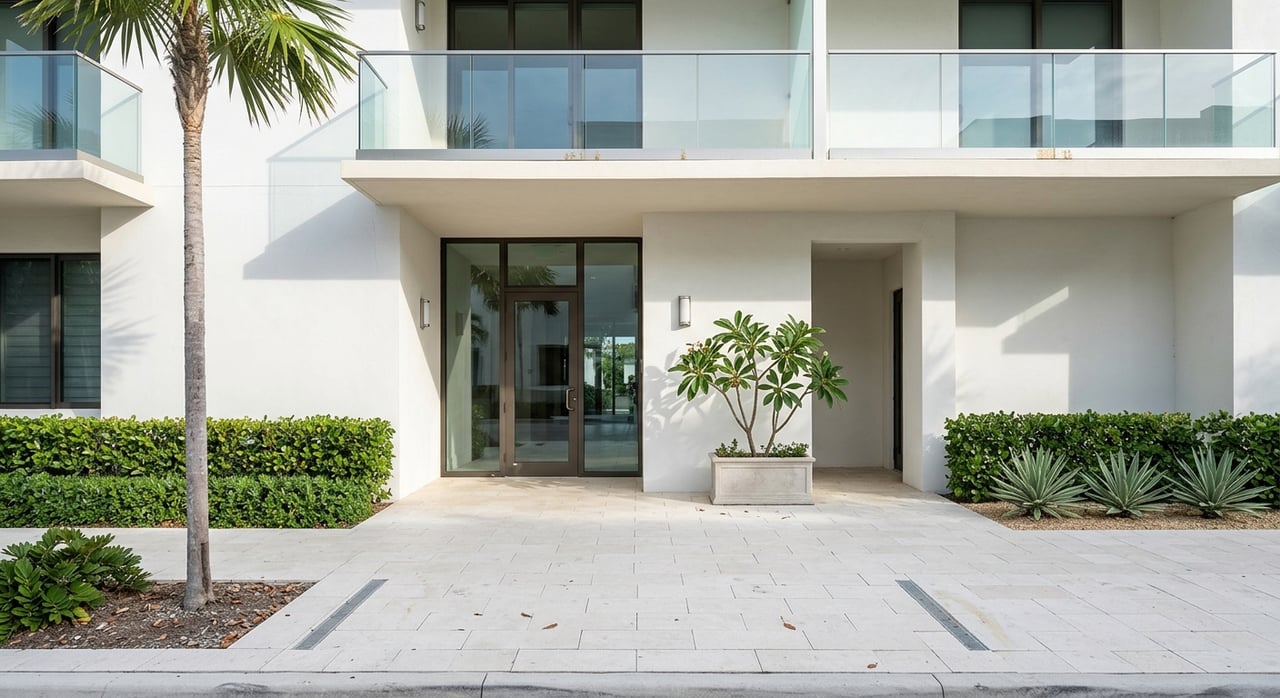
Low‑rise and mid‑rise condo buildings are common within walking distance of Atlantic Avenue. Floor plans range from compact studios to spacious multi‑bedroom residences. Many buildings include shared amenities such as pools, fitness rooms, and garage parking. HOA fees vary based on amenities, insurance, and reserve funding, so it is smart to compare line items when you evaluate options.
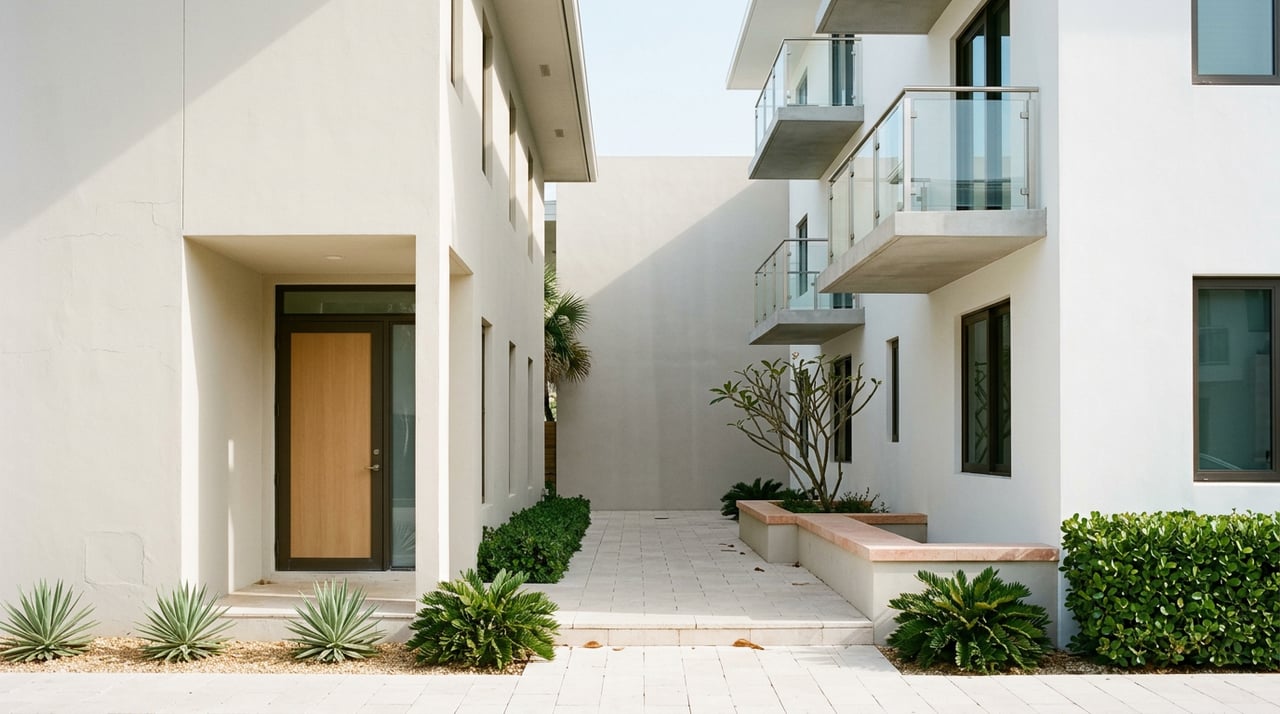
Infill townhome communities have grown around the downtown fringe. These homes often provide more square footage than a condo, with private garages and small yards or patios. If you want a low‑maintenance lifestyle without a high‑rise feel, townhomes are a strong alternative near Atlantic Avenue.
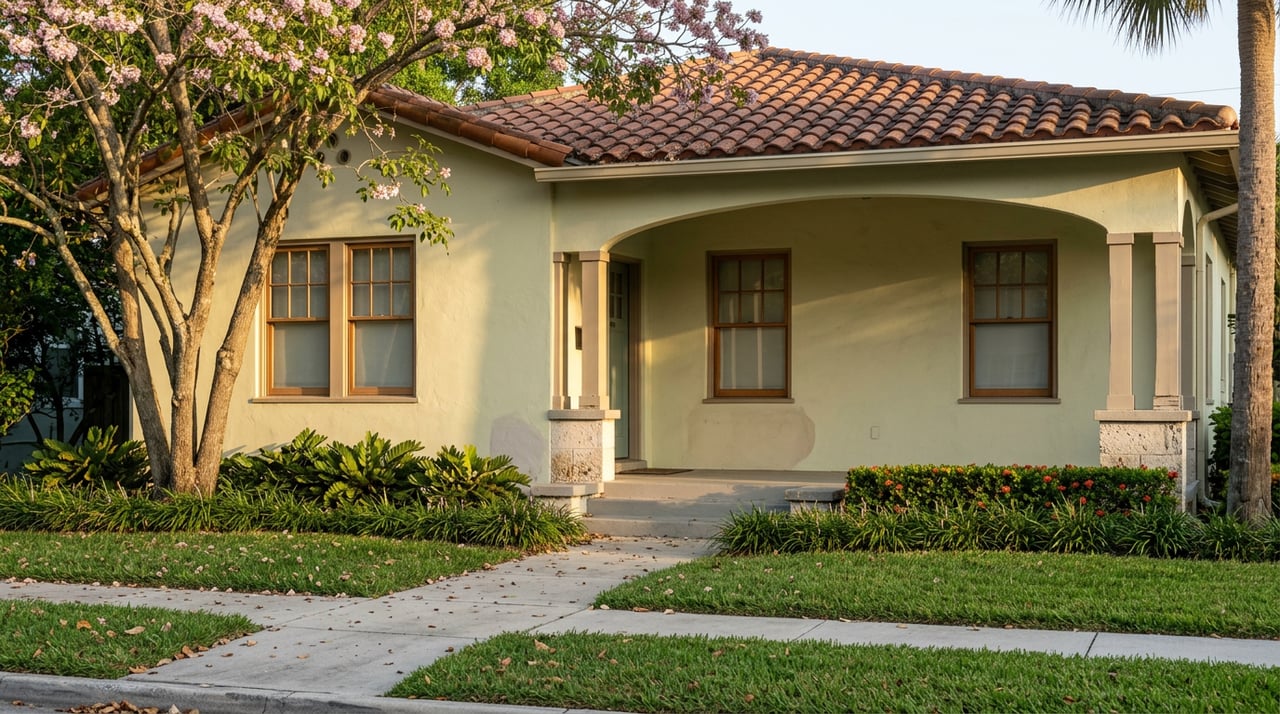
The historic district near downtown features 1920s to 1950s cottages and renovated homes. Buyers choose these for character, walkability, and proximity to the beach. Keep in mind that older homes can carry unique maintenance needs and may offer less off‑street parking than newer construction.
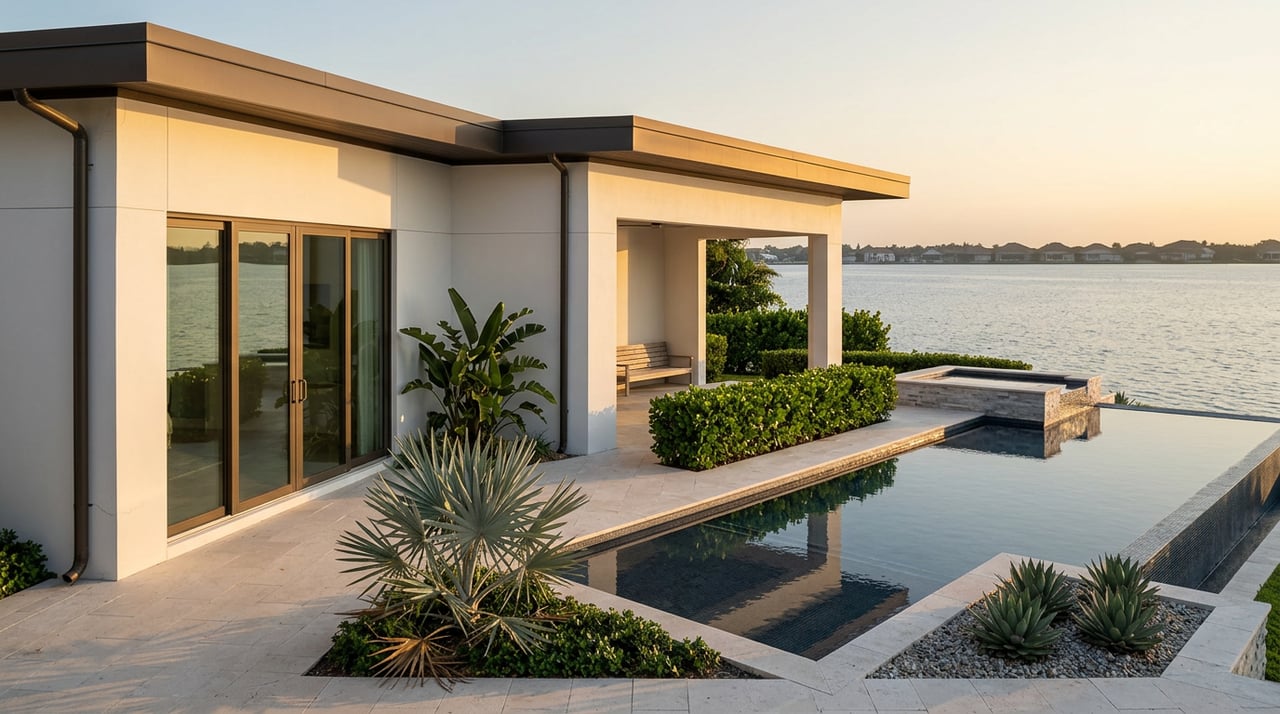
Mixed‑use and condo developments continue to appear in select pockets to meet demand for walkable coastal living. Newer buildings and luxury units near Atlantic Avenue often command premium pricing, especially those with modern finishes, enhanced amenities, and covered parking.
Resale demand tends to be strong for properties that are a short walk to Atlantic Avenue and the beach. Both long‑term and seasonal rental markets operate downtown, though short‑term vacation rentals are regulated. If rental income matters to you, confirm rules for your specific building and address before you buy.
Downtown Delray is one of the most walkable areas in Palm Beach County. You can handle daily dining and entertainment on foot. Public transit includes Palm Tran bus service, and regional rail options like Tri‑Rail serve the county. Many residents still keep a car for errands and trips beyond downtown. Street parking, municipal lots, and garages are available but can be tight during weekends, events, and high season, so assigned or garage parking in your building is a valuable perk.
Tourist districts can experience more petty property crime than purely residential areas. Downtown is vibrant and well‑patrolled, but it is wise to review local crime maps and speak directly with the Delray Beach Police Department for current insights. Basic precautions, such as locking vehicles and using building security features, go a long way.
Coastal elevation is low, and parts of downtown fall within FEMA flood zones or experience tidal flooding during king tides. Before you buy, review flood zone maps and any available elevation certificates. If the property is in a designated flood zone, budget for flood insurance in addition to homeowners coverage. Consider unit floor level and storm‑hardening features when comparing buildings.
Delray Beach regulates transient and vacation rentals and may require registration, a business tax receipt, inspections, and compliance with city code, especially in residential zones. Rules vary by property type and location. If you plan to rent seasonally or short‑term, confirm current ordinances with the City of Delray Beach and consider consulting a local attorney.
Public and private school options in Delray Beach are administered by the School District of Palm Beach County. School zones can change, so verify assignments for any address you are considering. Downtown tends to attract a broad mix of residents, including year‑round homeowners and seasonal buyers.
Delray Beach has a year‑round population in the mid 60,000s, and downtown becomes busier in the winter season from roughly November through April. Expect more restaurant reservations, heavier traffic, and a brighter events calendar in those months. If you love energy and people‑watching, peak season is a plus. If you prefer quieter evenings, consider locations a few blocks off Atlantic Avenue or higher floors that buffer street noise.
If this sounds like you, the neighborhoods around Atlantic Avenue on both the mainland side and closer to the beach are worth a closer look.
Choosing the right home is about more than square footage. It is about the lifestyle you want, from morning beach walks to evening concerts at Arts Garage. If you plan a light refresh or full renovation, design‑driven guidance can help you elevate a condo or cottage for everyday living and long‑term value. Thoughtful staging and creative presentation also make a difference when it is time to sell, especially in a walkable downtown where buyers compare finish, light, and flow across similar footprints.
If you want a home that blends coastal ease with a rich dining and arts scene, Downtown Delray Beach near Atlantic Avenue delivers. Whether you are comparing condos and townhomes or searching for a character‑filled cottage, you will benefit from local market insight, design advice, and a clear plan for ownership costs, flood considerations, and rental rules. When you are ready to take the next step, schedule a private tour and a conversation about your goals.
When you want a concierge experience tailored to your lifestyle, connect with Michelle Sadownick for expert guidance on buying, selling, or seasonal leasing in Downtown Delray Beach. Schedule your visit or consultation through Michelle Sadownick.

When you work with Michelle, she consistently goes the extra mile to provide the highest level of service while building strong relationships, and is genuinely excited to help you achieve your real estate goals.
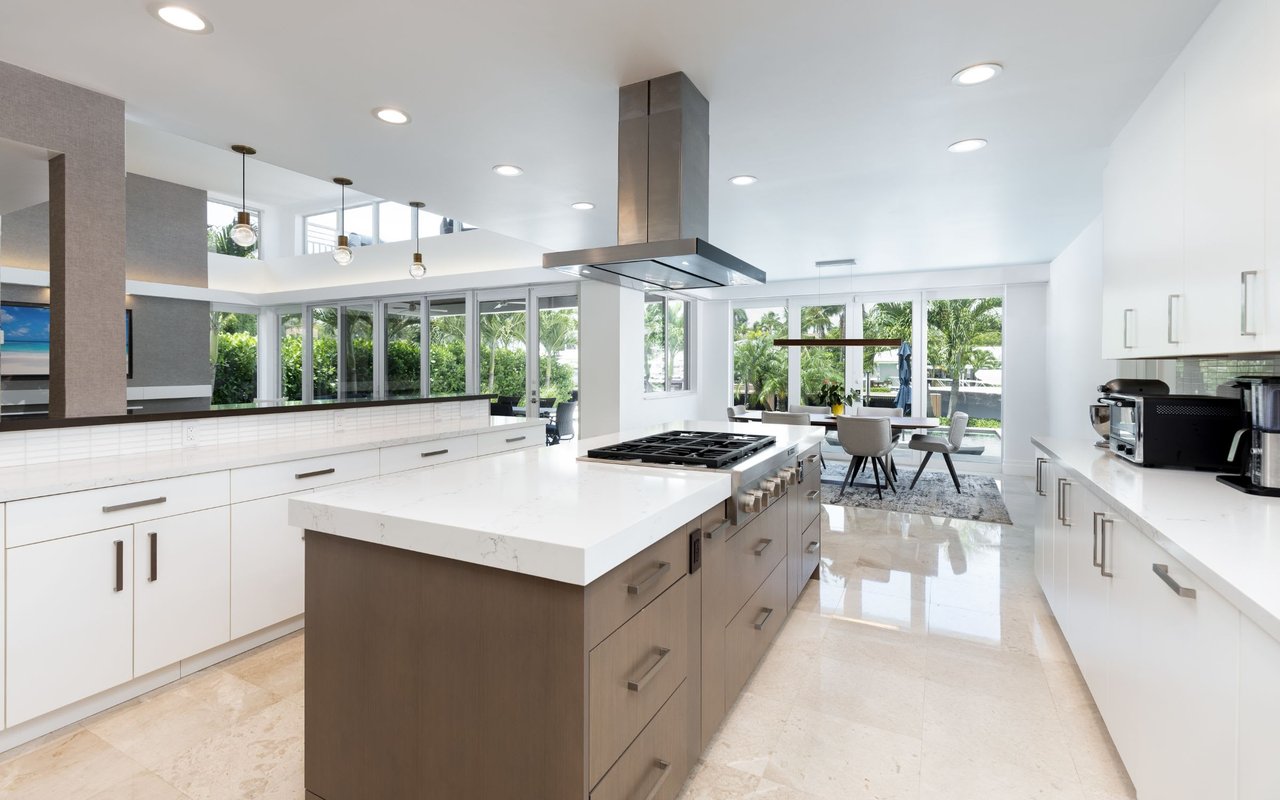
900 E Atlantic Ave #18 Delray Beach, FL 33483