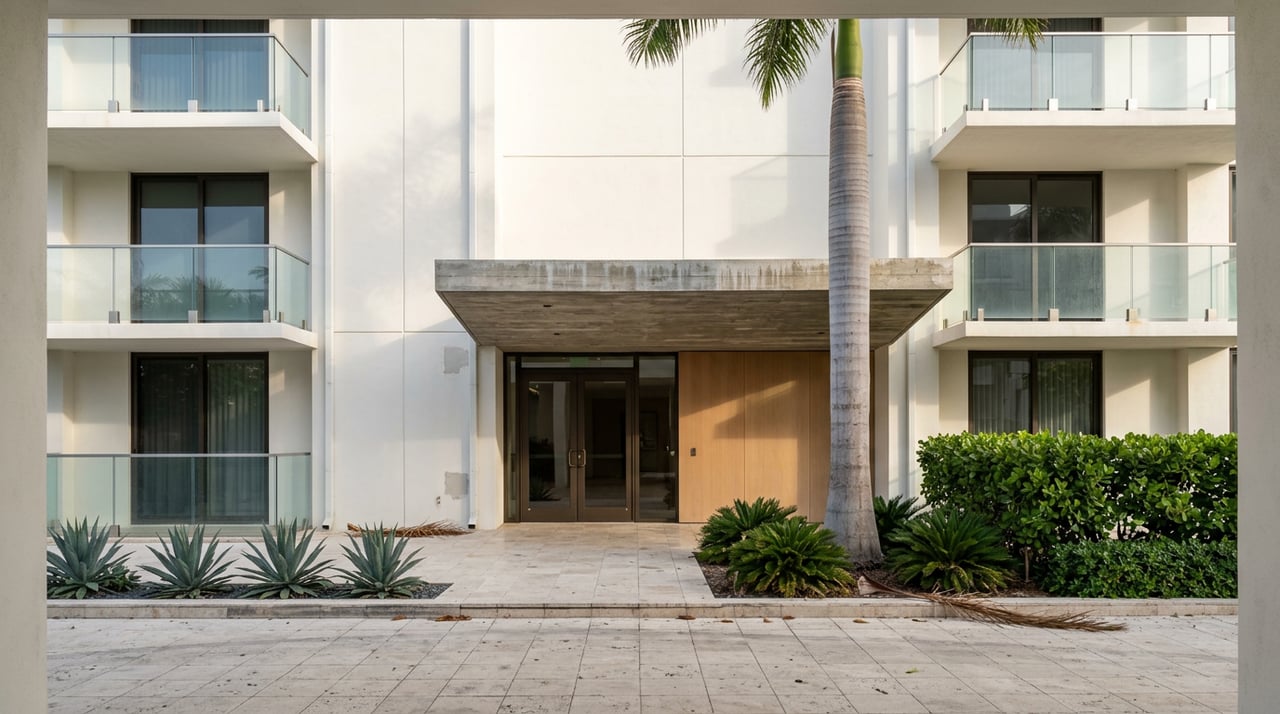
Highland Beach Condo Special Assessment Risks Before Buying
August 20, 2026
August 20, 2026
According to BocaNewsNow, in June 2024, a couple closed on a $3.65 million condominium at Toscana in Highland Beach. Five months later, a notice arrived: they owed $91,595 as their share of a special assessment for a multi-million dollar elevator replacement. According to the lawsuit they later filed in Palm Beach County Circuit Court, the seller had known about the planned assessment since March 2024, three months before closing, after the association's general manager notified every owner in the building. The project itself had been on the board's agenda since a February 28, 2024 meeting. The buyers say none of it was disclosed before they signed.
That case is still working through the courts. Whatever the outcome, it underscores why every Highland Beach buyer should review association documents and the town's compliance calendar before writing an offer in 2026. Those records can provide information that a listing photo or monthly HOA fee does not.
Most of Florida's condo safety framework traces back to Senate Bill 4-D, passed after the 2021 Champlain Towers South collapse in Surfside. It requires buildings three stories or taller to complete a milestone structural inspection at 30 years, or 25 years if the building sits near the coast, and every 10 years after that.
Highland Beach didn't wait for Tallahassee. The town adopted its own building recertification ordinance in late 2021, ahead of the state's version, and it's stricter in one specific way: buildings over 40 years old have to recertify every seven years, not every ten. That detail matters here because of what's actually standing on this barrier island. Pulling from the town's own recertification list, Casaurina, built in 1986, turns 40 this year, which puts it squarely inside that tighter seven-year cycle. Villa Mare and Villa Costa, both from 1991, are still a few years out from that threshold, and Highland Beach Club, from 1997, has more runway still. Toscana, the community at the center of the lawsuit, is actually three separate towers on three separate clocks: Toscana North, completed in 2000, came due for recertification in January 2025. Toscana West, finished in 2001, came due in January 2026, a deadline that has already passed as of this writing. Toscana South, from 2004, isn't due until 2029.
That last point is worth sitting with. A single gated community with one name and one sales office can have three buildings at three different points in a compliance cycle that directly affects reserve funding and the odds of a special assessment. Knowing you're buying "at Toscana" tells you almost nothing. Knowing you're buying in Toscana West, where recertification came due at the start of this year, tells you a great deal.
The town's most recent public update on how this is going came at a February 2025 Commission meeting, where a staff member reported the status of the 53 buildings covered by the ordinance. At that point, 15 had completed recertification. Several were flagged as overdue on their concrete restoration permits, and a handful had requested extensions. That's a snapshot from early 2025, not a live count, and any buyer should confirm a specific building's current status directly through the town rather than relying on a number that's now a year and a half old.
Layered on top of the town's schedule is the state's Structural Integrity Reserve Study requirement, which forces associations to study eight structural components (roof, load bearing walls, fireproofing, plumbing, electrical, waterproofing, windows and doors, and any other item over the statutory threshold) and fund reserves against them. For years, boards could vote to waive or underfund those reserves to keep monthly dues low. As of January 1, 2026, that option is gone for the eight mandatory components.
For a building that spent a decade or more keeping dues artificially low, this is the year the bill comes due, either through a steep jump in monthly assessments or through the kind of one-time special assessment the Toscana buyers ran into. The elevator project in that case wasn't framed as a SIRS-mandated repair. It was described in board materials as a response to aging equipment, over 20 years old, with the manufacturer warning that replacement parts were becoming hard to source. That's a distinction worth making: not every seven-figure assessment on this stretch of coast traces back to the new reserve law. Some are simply what happens when equipment installed in the 1990s and 2000s reaches the end of its working life at the same time reserve requirements are tightening. Either way, the buyer's exposure looks the same.
The condominium rider used in most Florida sales contracts already addresses this. According to Siegfried Rivera, it typically requires the seller to state whether they're aware of any special assessment that appeared on a board agenda or in meeting minutes during the preceding 12 months, and if one was withheld, makes the seller responsible for paying it. On paper, the buyers' contract had that exact language. The lawsuit alleges the elevator project was raised in board minutes and communicated to owners well within that 12-month window, and that the seller said nothing anyway.
If the allegations hold up, the case isn't really about a gap in the contract form. It's about how thin that protection is in practice. A disclosure clause only works if the buyer's side actually goes looking for what it's supposed to catch: the minutes, the agendas, the estoppel certificate. GoverningDocs says that under Florida law, an association has to produce that estoppel certificate, which lists any assessments due or pending, within 10 business days of a written request. Waiting until after signing to ask for it isn't a safeguard. It's a formality that arrives too late to change anything.
Given all of this, a buyer serious about a specific unit should be asking for a specific set of documents before writing a contract, not after:
None of this is a substitute for a real estate attorney reviewing the contract language, particularly the condominium rider's disclosure clause and how it defines the 12-month window. But it changes the conversation from hoping nothing surfaces after closing to knowing exactly what's already on the table before you sign.
Does every condo building in Highland Beach fall under this recertification requirement? A buyer should confirm whether a specific building is covered with the town.
If a building already passed its milestone inspection, does that mean no special assessment is coming? Not necessarily. A passed inspection confirms the structure isn't showing substantial deterioration. It doesn't confirm the reserves are fully funded, and it doesn't cover equipment like elevators, which can trigger a large assessment on its own timeline.
Can a buyer walk away if an assessment surfaces during the inspection period? That depends on the contract's contingencies, which should be reviewed before signing.
Highland Beach's condos remain some of the most sought after oceanfront real estate on this stretch of coast, and for good reason. But buying here in 2026 means reading past the view to the paperwork behind it. If you're evaluating a specific building on this island, Michelle Sadownick can help you pull the right documents before you write an offer, not after. Schedule a Private Consultation to start.
This article is general information, not legal, tax or financial advice. Consult a qualified professional about your situation.


When you work with Michelle, she consistently goes the extra mile to provide the highest level of service while building strong relationships, and is genuinely excited to help you achieve your real estate goals.
900 E Atlantic Ave #18 Delray Beach, FL 33483